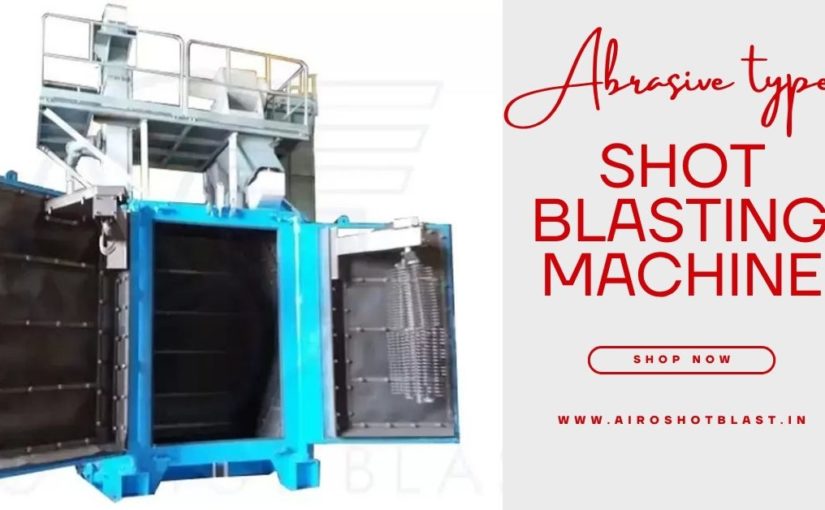

The Impact of Shot Blasting Machine Maintenance on Uptime

Every minute your shot blasting machine sits idle costs money. Whether it’s a scheduled shutdown or an unexpected breakdown, downtime directly impacts your bottom line through lost production, missed deadlines, and frustrated customers. The relationship between maintenance and uptime isn’t just important—it’s the foundation of profitable shot blasting operations.

The True Cost of Shot Blasting Downtime

When a shot blasting machine goes down unexpectedly, the financial impact ripples through your entire operation. Production schedules get disrupted, workers stand idle, and bottlenecks form throughout your manufacturing process. For many facilities, unplanned downtime can cost thousands of dollars per hour when you factor in lost productivity, emergency repair expenses, and expedited parts shipping.

Beyond immediate financial losses, equipment failures damage customer relationships and strain your reputation. In competitive industries where delivery timing matters, reliability becomes a key differentiator. This is where strategic maintenance programs prove their value, transforming your shot blasting equipment from a potential liability into a consistent performance asset.

Also Check – Shot Blasting Machine ManufacturersShot Blasting Machine Manufacturers in IndiaShot Blasting Machine PriceShot Blasting Machine Price in IndiaAbrasive Shot Blasting Machine

Preventive Maintenance: Your First Line of Defense

The most effective way to maximize shot blasting machine uptime is implementing a comprehensive preventive maintenance program. Rather than waiting for components to fail, preventive maintenance addresses wear and tear before it causes problems. This proactive approach keeps your Airo Shot Blast equipment running smoothly and helps you avoid the chaos of emergency repairs.

Regular preventive maintenance includes daily inspections, scheduled lubrication, wear part monitoring, and systematic replacement of consumables before they reach critical wear points. These routine activities might seem time-consuming, but they prevent the extended downtime associated with major component failures. A well-executed preventive maintenance schedule can reduce unplanned downtime by 50% or more.

Critical Maintenance Points That Impact Uptime

Understanding which maintenance activities deliver the biggest uptime benefits helps you prioritize your efforts. For shot blasting machines, several critical areas demand consistent attention.

Blast Wheel Maintenance stands at the top of the list. The blast wheel assembly experiences intense wear and requires regular inspection of control cage, impeller, and wheel components. Catching worn parts early prevents catastrophic failures that can shut down operations for days while waiting for replacement parts.

Abrasive Flow and Circulation Systems also play a crucial role in continuous operation. Blocked reclaim systems, worn elevator buckets, or separator malfunctions can halt production instantly. Regular cleaning, inspection, and component replacement keep material flowing smoothly through your system.

Dust Collection Systems affect both uptime and regulatory compliance. Clogged filters, worn fan bearings, or damaged ductwork not only reduce efficiency but can force shutdowns due to poor air quality or safety concerns. Scheduled filter changes and system inspections prevent these disruptive scenarios.

Website –

The Data-Driven Approach to Maintenance

Modern maintenance strategies leverage data to optimize uptime. By tracking machine performance, component life cycles, and failure patterns, maintenance teams can predict when problems will occur and address them during planned maintenance windows rather than experiencing surprise failures during production runs.

Airo Shot Blast equipment often includes monitoring capabilities that provide real-time insights into machine health. Utilizing this data transforms maintenance from a reactive scramble into a strategic operation. You’ll know when motors are drawing excessive current, when blast wheel performance is declining, or when abrasive consumption patterns indicate wear issues—all before these problems cause downtime.

Training: The Often-Overlooked Maintenance Multiplier

Even the best maintenance program fails without properly trained personnel. Operators who understand how their equipment works can identify potential problems early through daily inspections. Maintenance technicians with specialized training complete repairs faster and more effectively, minimizing repair duration.

Investing in operator and technician training for your shot blasting equipment pays dividends in reduced downtime. Well-trained teams don’t just fix problems faster—they prevent problems from occurring in the first place through proper operation and early detection of warning signs.

Website –

Spare Parts Strategy and Uptime

Having critical spare parts on hand dramatically reduces downtime when failures occur. While maintaining an inventory requires capital investment, the cost of stocking essential components pales in comparison to the expense of waiting days or weeks for emergency parts shipments.

Work with your equipment supplier to identify which spare parts are most critical for your specific shot blasting application. Airo Shot Blast can help you develop a strategic spare parts inventory that balances investment with uptime protection, ensuring you have what you need when you need it.

Documentation and Continuous Improvement

Maintaining detailed maintenance records creates a knowledge base that improves uptime over time. Documenting repairs, component life spans, and failure patterns reveals trends that inform smarter maintenance decisions. This historical data helps refine maintenance schedules, identify chronic problem areas, and justify equipment upgrades that enhance reliability.

Summary

The relationship between shot blasting machine maintenance and uptime is clear: consistent, strategic maintenance delivers consistent, reliable operation. By implementing preventive maintenance programs, training your team, leveraging performance data, and maintaining strategic spare parts inventories, you transform your Airo Shot Blast Equipment into a dependable production asset. The investment in proper maintenance always costs less than the alternative—and keeps your operation running when it matters most.

Related Post – https://airoshotblast.blogaaja.fi/2026/03/31/airo-portable-models-shot-blasting-machine-price-specifications/

Shot Blasting Machine Media Recycling Life Cycles

In the economics of shot blasting operations, few factors impact your profitability as significantly as media recycling efficiency. Every time you purchase new abrasive media, it represents a direct cost to your operation. Understanding media recycling life cycles—how long your blast media remains effective through repeated use—can transform this consumable expense into a strategic advantage. With proper management, your Airo Shot Blast equipment can extend media life, reduce operational costs, and maintain consistent surface preparation quality.

The concept of media recycling isn’t simply about reusing abrasive particles until they disintegrate. It’s a sophisticated balance between maximizing media utilization, maintaining blast quality, and optimizing overall operational efficiency. Different media types behave differently throughout their life cycles, and understanding these patterns allows you to make informed decisions that protect both your budget and your equipment.

Understanding Media Life Cycle Factors and Performance Degradation

The life cycle of shot blasting media depends on numerous interconnected factors that begin the moment particles enter your blast system. Media type forms the foundation—steel shot typically offers 3,000 to 5,000 cycles before requiring replacement, while steel grit may provide 2,000 to 3,000 cycles. Softer media like aluminum oxide or plastic might only survive 500 to 1,000 cycles before losing effectiveness.

However, these numbers represent ideal conditions. Real-world media life cycles vary dramatically based on application specifics. The hardness differential between your media and workpiece material significantly impacts degradation rates. Blasting hardened steel components with steel shot causes faster media breakdown than treating softer aluminum parts. High-impact blasting parameters—faster wheel speeds and higher throw velocities—accelerate particle fracture and wear.

Contamination plays an equally critical role in media longevity. As blasting progresses, removed surface contaminants, scale, rust, and paint particles mix with your media. This contamination doesn’t just dilute media effectiveness—it can accelerate equipment wear and compromise blast quality. Fine particulate contamination is particularly insidious because it reduces media flow characteristics and can clog reclaim systems, leading to operational disruptions.

The physical breakdown process follows predictable patterns. Initially, angular media particles experience corner rounding and edge dulling. Steel shot gradually loses sphericity, while grit particles become more rounded and less aggressive. This dimensional change reduces cutting efficiency, requiring longer blast cycles to achieve the same surface preparation results. Eventually, particles fracture into smaller pieces that the separator system removes as fines, or they become too small to produce the required surface profile.

Your Airo Shot Blast equipment’s separator system directly influences media life cycles by continuously removing damaged particles and contamination. Efficient separation extends media life by maintaining a consistent, high-quality media stream. Conversely, separator malfunctions allow degraded media and contaminants to accumulate, accelerating the decline in blasting performance and potentially damaging blast wheels.

Maximizing Media Efficiency Through Strategic Management

Extending media life cycles requires a systematic approach that combines proper equipment operation, media selection, and process optimization. The financial impact of these practices is substantial—increasing media life by just 20% can save thousands of dollars annually in a moderate-volume operation.

Proper media selection for your specific application forms the cornerstone of efficiency. Oversized media for delicate work leads to excessive fracture and waste, while undersized media for aggressive applications requires frequent replacement. Working with experienced suppliers and conducting application testing helps identify the optimal media specification that balances performance with longevity.

Operating parameters significantly affect media consumption rates. Running blast wheels at maximum speed might seem like a productivity strategy, but excessive velocity increases particle impact energy beyond what’s necessary for many applications. This over-blasting not only wastes media through accelerated breakdown but also damages workpieces and increases equipment wear. Calibrating your shot blasting parameters to match application requirements optimizes both media life and overall operational efficiency.

Regular media makeup additions maintain consistent performance throughout the media life cycle. Rather than operating with degraded media until performance becomes unacceptable, strategic makeup additions replace spent particles incrementally. This approach keeps your media mixture within optimal performance specifications, maintaining consistent blast quality and preventing the efficiency losses associated with severely degraded media.

Contamination control extends media life while protecting equipment and blast quality. Pre-cleaning workpieces to remove loose scale, excessive rust, or heavy contaminants before shot blasting machine reduces the burden on your media and separator systems. For heavily contaminated work, some facilities implement a two-stage process using sacrificial media for initial cleaning followed by premium media for final surface preparation.

Monitoring, Testing, and Replacement Strategies

Effective media life cycle management requires systematic monitoring to determine when replacement or supplementation becomes necessary. Relying solely on visual inspection or arbitrary time intervals often results in either premature media replacement (wasting usable material) or extended use of ineffective media (compromising quality and efficiency).

Particle size analysis provides objective data about media condition. As media breaks down, the average particle size decreases and size distribution shifts. Regular screening or automated analysis reveals these changes before they significantly impact performance. Many operations establish trigger points—when a certain percentage of media falls below minimum size specifications, replacement or makeup additions occur.

Blast performance testing offers functional assessment of media effectiveness. Standardized test pieces blasted under controlled conditions reveal whether your media maintains required cleaning rates and surface profile characteristics. When test results show declining performance despite proper operating parameters, media degradation is the likely cause.

Visual media inspection remains valuable despite being subjective. Experienced operators recognize warning signs like excessive fines accumulation, media discoloration from contamination, or obvious particle rounding. Regular media sampling and examination under magnification reveals degradation patterns that quantitative tests might miss.

Also Check – https://www.linkedin.com/pulse/ultimate-buying-guide-shot-blasting-built-indian-demand-amar-singh-8lftc

Documentation creates institutional knowledge about media life cycles specific to your operations. Recording media type, purchase dates, estimated volumes processed, and replacement dates establishes baseline data. Over time, this information reveals patterns that help predict replacement needs and optimize purchasing schedules.

The economic decision point for media replacement balances several factors. Consider not just media cost but also the operational impacts of degraded media—longer cycle times, inconsistent quality, potential equipment damage, and increased separator wear. Sometimes, media that could physically continue circulating becomes economically obsolete when its reduced effectiveness increases overall operating costs beyond replacement expenses.

Conclusion

Understanding and managing shot blasting media recycling life cycles transforms a consumable cost into a competitive advantage. By selecting appropriate media, optimizing operating parameters, implementing contamination control, and systematically monitoring media condition, your Airo Shot Blast equipment operates at peak efficiency throughout the media life cycle. The result isn’t just cost savings—it’s consistent quality, reliable performance, and optimized operational efficiency that positions your business for success in competitive markets.

The Crucial Role of Shot Blasting in Modern Pressure Vessel Fabrication

The global demand for high-capacity pressure vessels is surging across the petrochemical, energy, and aerospace sectors. These massive containment units are designed to hold gases and liquids at extreme pressures, meaning that their fabrication processes leave absolutely zero margin for error. While much of the engineering focus is rightly placed on metallurgical selection and advanced welding automation, a critical, often-underappreciated phase dictates the ultimate lifespan and safety of these units: surface preparation. In modern heavy engineering, advanced shot blasting machinery has become an indispensable technology for ensuring the structural integrity and longevity of pressure vessels.

From pre-weld cleaning to final coating preparation, the application of shot blasting technologies in this sector has evolved from a basic cleaning task into a highly controlled, scientifically measured engineering requirement. Here is an in-depth analysis of how shot blasting is applied throughout the pressure vessel fabrication lifecycle.

1. Ensuring Structural Integrity and NDT Readiness

Before a pressure vessel can be certified for industrial use, it must undergo rigorous Non-Destructive Testing (NDT), such as ultrasonic or radiographic inspection, to ensure that every weld seam is flawless. However, raw steel plates arrive at the fabrication yard coated in thick, hardened mill scale, rust, and various environmental contaminants. If these plates are welded in this condition, the impurities can become trapped within the weld pool, creating microscopic porosity and slag inclusions that will inevitably fail under extreme hydrostatic pressure.

Shot blasting is applied as the primary defensive measure against these structural compromises. Heavy-duty plate and structural steel blasting machines are utilized to strip raw materials down to bare white metal prior to rolling and welding. By propelling high-velocity steel shot or grit against the steel, the process completely removes the rigid mill scale that naturally forms during the steel manufacturing process.

Furthermore, once the vessel is fully assembled and welded, a secondary blast cycle is frequently required. This post-fabrication blast removes the heat tint, welding slag, and spatter generated during assembly. More importantly, it provides the pristine, highly reflective surface required by NDT technicians. A surface cleaned to an Sa 2.5 (Near-White Metal) or Sa 3.0 (White Metal) standard ensures that high-frequency ultrasonic waves can penetrate the steel without interference, allowing inspectors to identify sub-surface micro-fractures that could lead to catastrophic fatigue failure in the field.

Also Check – Shot Blasting Machine ManufacturersShot Blasting Machine Manufacturers in IndiaShot Blasting Machine PriceShot Blasting Machine Price in IndiaAbrasive Shot Blasting Machine

2. Advanced Blasting Techniques for Complex Vessel Geometries

Pressure vessels present unique challenges for surface preparation due to their sheer scale and enclosed geometries. Standard off-the-shelf blasting equipment is rarely sufficient for vessels that can exceed 100 feet in length and weigh hundreds of tons. Consequently, equipment manufacturers have developed highly specialized blasting systems tailored directly to the geometry of cylindrical vessels and their domed end-caps.

Internal Blasting Challenges and Solutions

The most complex application in pressure vessel preparation is cleaning the internal diameter (ID). The internal surfaces are often subjected to highly corrosive chemicals or volatile gases, requiring specialized protective linings. To prepare the ID, fabricators utilize advanced, boom-mounted shot blasting systems. A heavy-duty lance, equipped with either an automated air-blast nozzle or a miniaturized centrifugal blast wheel, is slowly driven down the central axis of the rotating vessel. This automated approach ensures a perfectly uniform blast profile across the entire internal surface, eliminating the severe health and safety risks associated with sending human operators into a confined, dust-filled space to perform manual abrasive blasting.

Automating External Surface Finishing

For the external diameter (OD), the industry standard relies on massive bogie-hearth or work-car blast rooms. The pressure vessel is loaded onto a heavy-duty motorized rail car and slowly rotated on heavy rubber-lined trunnions as it passes through a gauntlet of strategically positioned centrifugal blast wheels. For smaller vessels or specific sub-assemblies like dished ends, heavy-duty hanger-type shot blasting machines are frequently deployed. These hanger systems suspend the components and rotate them simultaneously, allowing the abrasive media to impact complex curves and welded nozzles from multiple angles, ensuring an incredibly consistent finish in a fraction of the time required by manual methods.

Website –

3. Compliance, Safety, and Coating Adhesion in High-Pressure Environments

The final, and arguably most economically significant, application of shot blasting in pressure vessel fabrication is creating the required “mechanical tooth” for protective coatings. Pressure vessels are highly susceptible to both external environmental corrosion and internal chemical attack. To combat this, they are coated with advanced industrial epoxies, polyurethanes, or specialized rubber linings. However, these high-performance coatings will only perform as specified if they achieve perfect molecular adhesion to the steel substrate.

Shot blasting is the only reliable method for achieving the precise anchor profile (measured in microns or mils) required by these heavy-duty coatings. The angularity of the steel grit used in the blasting process fractures the surface of the steel, creating thousands of microscopic peaks and valleys. When the liquid coating is applied, it flows into these valleys and locks around the peaks as it cures, creating an inseparable bond.

Regulatory bodies such as the American Society of Mechanical Engineers (ASME) and organizations like the Society for Protective Coatings (SSPC) maintain strict standards regarding the depth and cleanliness of these blast profiles. A failure in the shot blasting process—such as using worn abrasive media that merely peens the surface rather than cutting it—will result in rapid coating delamination. In a high-pressure environment, a failed coating leads directly to localized corrosion, thinning of the vessel wall, and ultimate vessel failure. Therefore, precision shot blasting is not just a cleaning mechanism; it is a foundational pillar of environmental compliance, operational safety, and the long-term viability of the global heavy engineering sector.

Also Read – https://amarsingh.alboompro.com/post/how-shot-blasting-machines-handle-production-variability

Paver Block Shot Blasting Machine Benefits You Need to Know

If you’re running a paver block manufacturing business, you’ve probably noticed how competitive the market has become. Customers want high-quality blocks with clean, textured surfaces that look professional right out of production. That’s where shot blasting machines come into play, and honestly, they’re game-changers for manufacturers who want to step up their quality without slowing down production.

What Makes Shot Blasting Different?

Traditional cleaning methods for paver blocks—think wire brushing or chemical treatments—take forever and often leave inconsistent results. Shot blasting throws tiny steel or ceramic particles at high speed onto the block surface, removing that thin layer of cement paste that forms during curing. The result? A uniform, slightly rough texture that not only looks better but actually performs better.

The Surface Quality Advantage

Here’s the thing about paver blocks: people walk on them, drive on them, and expect them to last for decades. Shot blasting creates a micro-texture on the surface that significantly improves grip. This matters especially for outdoor applications where rain can make smooth pavers dangerously slippery.

Beyond safety, the aesthetic improvement is undeniable. Shot blasting reveals the aggregate underneath that cement film, giving blocks a natural stone-like appearance that architects and landscapers love. Your blocks go from looking industrial to looking premium, and that difference shows up in what customers are willing to pay.

Also Check – Shot Blasting Machine ManufacturersShot Blasting Machine Manufacturers in IndiaShot Blasting Machine PriceShot Blasting Machine Price in IndiaAbrasive Shot Blasting Machine

Production Speed That Actually Makes Sense

Manual cleaning is a bottleneck. You can produce hundreds of blocks per hour with modern molding equipment, but if your finishing process can only handle twenty blocks per hour, you’ve got a problem. Shot blasting machines, particularly conveyor-type systems, can process blocks continuously at speeds matching your production line.

We’re talking about machines that can handle 150-300 blocks per hour depending on size and configuration. That’s not just faster—it’s fast enough to actually keep pace with modern manufacturing demands.

Website –

Consistency You Can Count On

Every manufacturer has dealt with this: one operator does excellent work, another rushes through and produces mediocre results. Human inconsistency costs money through rejected batches and customer complaints. Shot blasting machines don’t have bad days.

Set your parameters once—blast pressure, conveyor speed, shot size—and every single block gets identical treatment. The first block Monday morning looks exactly like the last block Friday afternoon. For quality control managers, that repeatability is worth its weight in gold.

Labor Costs Drop Significantly

Let’s be realistic about labor. Manual finishing requires skilled workers who command decent wages, and even then, it’s physically demanding work that leads to turnover. A shot blasting machine typically needs one operator to load blocks and monitor the system. That’s it.

The math is straightforward: fewer workers doing finishing means lower monthly payroll, fewer training headaches, and less overtime during rush orders. Most manufacturers see the machine pay for itself within two to three years just from labor savings alone.

Environmental and Health Benefits

Chemical cleaning agents pose disposal problems and health risks. Wire brushing creates dust that’s terrible for workers’ lungs. Shot blasting is a closed system—the steel shot gets recycled through the machine, and dust collection systems capture virtually all airborne particles.

Your workers aren’t breathing in cement dust all day, and you’re not dealing with hazardous chemical waste. That means fewer safety incidents, lower insurance costs, and compliance with increasingly strict environmental regulations.

The Durability Angle

Shot blasting doesn’t just clean the surface—it actually compacts it slightly through the impact process. This creates a denser surface layer that resists weathering and wear better than untreated blocks. In markets where you’re competing on longevity claims, this gives you a legitimate technical advantage.

Is It Worth the Investment?

The upfront cost of a shot blasting machine ranges from moderate to significant depending on automation level and capacity. But when you calculate the combination of higher selling prices for premium-looking blocks, labor savings, increased production capacity, and reduced reject rates, the return on investment becomes clear pretty quickly.

For small operations producing a few thousand blocks monthly, a basic tumble-blast machine might make sense. Larger manufacturers running multi-shift operations should look at conveyor systems that integrate directly into their production lines.

Shot blasting isn’t just about making prettier paver blocks—though that’s certainly part of it. It’s about building a more efficient, profitable, and competitive manufacturing operation that can meet modern quality standards without breaking the bank on labor costs.

Read More – https://site-eaihnws1z.godaddysites.com/f/shot-blasting-with-complete-installation-support-by-airo-shot

Overhead Rail Shot Blasting Machine: Efficient Surface Treatment for Large-Scale Operations

Enhance large-scale production with overhead rail shot blasting machines for efficient, uniform surface treatment. Continue to read complete post here.


Introduction

In heavy industrial environments where large, bulky, and irregularly shaped components need surface preparation, traditional blasting methods often fall short. The overhead rail shot blasting machine is specifically engineered to handle such challenges with precision and efficiency.

This system is widely used in industries like steel fabrication, automotive, shipbuilding, and heavy engineering, where components such as beams, frames, castings, and welded structures require thorough cleaning before further processing. By integrating a rail-based movement system, these machines allow continuous or semi-continuous blasting of heavy components without manual handling, improving both productivity and safety.


Working Principle and System Design

The overhead rail shot blasting machine operates on a suspended conveyor system where workpieces are mounted on hooks or hangers. These hangers move along a rail track, carrying components into the blasting chamber.

Inside the chamber, high-speed blast wheels project abrasive media—typically steel shots or grit—onto the surface of the components. This process effectively removes rust, mill scale, welding slag, and other impurities. The machine is designed to ensure that every surface area is exposed to abrasive impact, even for complex geometries.

Once blasting is complete, the components move to the unloading zone, while the abrasive material is collected, cleaned, and recycled through an integrated system. A powerful dust collector removes airborne particles, maintaining a clean and safe working environment. This streamlined process ensures continuous operation with minimal interruption.


Key Features and Advantages for Large-Scale Operations

One of the biggest advantages of overhead rail shot blasting machines is their ability to handle large and heavy components with ease. The overhead conveyor system eliminates the need for manual lifting, reducing labor effort and minimizing the risk of workplace injuries.

Another significant benefit is the uniformity of surface treatment. Since components are rotated or positioned strategically during the blasting process, the machine ensures consistent cleaning across all surfaces. This is crucial for applications where coating adhesion and surface finish quality are critical.

These machines are also highly adaptable. They can be customized to suit different production capacities and component sizes, making them suitable for both medium and large-scale operations. Additionally, modern systems come equipped with automation features such as PLC controls, allowing operators to manage speed, blasting intensity, and cycle time with precision.

Energy efficiency and cost-effectiveness further add to their appeal. With abrasive recycling systems and optimized power consumption, these machines help reduce operational costs over time.

Website –


Industrial Applications and Use Cases

Overhead rail shot blasting machines are indispensable in industries that deal with heavy-duty components and high production volumes. In the automotive sector, they are used for cleaning chassis, engine components, and structural parts before painting or coating.

In steel fabrication units, these machines prepare beams, plates, and welded assemblies by removing scale and rust, ensuring better paint adhesion and corrosion resistance. Foundries also rely on overhead rail systems for cleaning castings, improving surface finish, and removing sand residues.

Shipbuilding and construction industries benefit significantly from this technology, as it allows efficient treatment of large metal structures that are otherwise difficult to handle. Additionally, industries involved in railways, aerospace, and heavy machinery manufacturing use these machines to maintain high-quality surface standards.

The flexibility of handling different shapes and sizes makes shot blasting machines a versatile solution for diverse industrial needs.


Maintenance, Efficiency Optimization, and Future Trends

To ensure consistent performance, regular maintenance of overhead rail shot blasting machines is essential. Key components such as blast wheels, conveyor systems, and dust collectors should be inspected periodically. Timely replacement of worn-out parts and proper lubrication of moving components can significantly extend machine life.

Efficiency can be further optimized by monitoring abrasive quality and maintaining proper airflow in the dust collection system. Operators should also ensure that components are correctly positioned on hangers to achieve uniform blasting results.

Looking ahead, the integration of smart technologies is transforming the shot blasting industry. Advanced machines now feature IoT-enabled monitoring systems, real-time diagnostics, and automated controls that enhance operational efficiency. Predictive maintenance and data-driven performance analysis are becoming standard, helping industries reduce downtime and improve productivity.

As industries continue to scale up operations, the demand for reliable and efficient surface treatment solutions will grow. The overhead shot blasting machine, with its robust design and advanced capabilities, is well-positioned to meet these evolving demands.

Also Check — Shot Blasting Machine ManufacturersShot Blasting Machine Manufacturers in IndiaShot Blasting Machine PriceShot Blasting Machine Price in IndiaAbrasive Shot Blasting Machine


FAQs

1. What types of components are suitable for overhead rail shot blasting machines?

Large, heavy, and complex-shaped components such as beams, frames, and castings are ideal for this machine.

2. Is the machine fully automated?

Modern versions come with PLC automation, allowing precise control over blasting parameters and conveyor movement.

3. How does it improve productivity?

By enabling continuous or semi-continuous operation and reducing manual handling, it significantly increases output.

4. What industries benefit the most from this machine?

Industries like automotive, shipbuilding, steel fabrication, and heavy engineering benefit greatly.

5. What maintenance is required?

Regular inspection of blast wheels, conveyor systems, and dust collectors is essential for optimal performance.

Read More –https://sites.google.com/view/airo-shot-blast/blog/buy-industrial-blasting-machine-direct-from-manufacturer


Conclusion

The overhead rail shot blasting machine is a powerful and efficient solution for industries dealing with large-scale operations and heavy components. Its ability to deliver consistent surface treatment, combined with automation and high productivity, makes it an essential investment for modern manufacturing units.

By adopting this advanced technology, businesses can enhance product quality, reduce operational costs, and stay competitive in an increasingly demanding industrial landscape.

Shot Blasting Machine Application in Modern Industries

In today’s fast-growing manufacturing landscape, maintaining product quality and surface durability has become essential for industrial success. This is where shot blasting machines play a vital role. From steel manufacturing to automotive production, these machines have become an integral part of modern industries due to their efficiency, precision, and cost-effectiveness.

As industries continue to adopt automation and advanced surface treatment technologies, the demand for shot blasting machine is steadily increasing across various sectors.

Growing Importance of Shot Blasting Technology

Modern industries require clean, smooth, and properly prepared metal surfaces to ensure product strength and coating durability. Shot blasting machines are widely used to remove rust, scale, old paint, and other contaminants from metal surfaces before further processing.

Industries prefer shot blasting technology because it offers:

  • Faster surface cleaning compared to manual methods
  • Uniform finishing results
  • Reduced labor costs
  • Environment-friendly dust collection systems
  • Improved coating adhesion

With the introduction of automated shot blasting systems, manufacturers can now achieve higher productivity with minimal manual intervention.

Major Applications of Shot Blasting Machines in Modern Industries

Shot blasting machines are used across multiple industries where surface preparation and finishing are critical processes. Some of the major industrial applications include:

Steel Industry

The steel industry is one of the largest users of shot blasting machines. Steel plates, pipes, structural components, and fabricated sections require proper cleaning before painting or galvanizing.

Shot blasting helps in:

  • Removing mill scale and corrosion
  • Preparing steel for coating
  • Improving weld quality
  • Increasing product life

Automatic roller conveyor shot blasting machines are commonly used in steel processing plants for continuous operations.

Website –

Automotive Industry

Automobile manufacturers rely on shot blasting machines for cleaning engine parts, gears, springs, and casting components. Proper surface preparation ensures better coating quality and longer component life.

Common automotive applications include:

  • Cleaning engine blocks
  • Surface finishing of gears
  • Descaling forged components
  • Preparing parts for powder coating

With growing vehicle production, the automotive sector continues to drive demand for advanced shot blasting solutions.

Foundry and Casting Industry

Foundries use shot blasting machines to remove sand, scale, and excess material from cast components. This process improves the appearance and structural reliability of castings.

Typical uses include:

  • Cleaning cast iron and aluminum components
  • Removing sand from cast parts
  • Surface finishing of heavy castings
  • Preparing components for machining

Tumble type and hanger type shot blasting machines are widely used in foundries due to their ability to handle complex shapes.

Construction and Infrastructure Sector

Infrastructure development projects also use shot blasting machines for surface preparation of steel structures, bridges, and construction equipment.

Applications include:

  • Cleaning structural steel
  • Surface preparation of bridges
  • Maintenance of heavy construction equipment
  • Rust removal from fabricated structures

With increasing infrastructure development worldwide, the need for efficient surface treatment equipment continues to grow.

Railways and Shipbuilding Industry

Heavy industries like railways and shipbuilding require shot blasting machines for maintaining large metal components exposed to harsh environments.

These industries use shot blasting for:

  • Cleaning railway components
  • Surface preparation of ship plates
  • Maintenance of marine structures
  • Corrosion removal

Heavy-duty shot blasting machines designed for large components are commonly used in these sectors.

Role of Automation in Shot Blasting Applications

Modern shot blasting machines now come with PLC controls, automated abrasive recycling systems, and advanced dust collectors. These technological advancements have significantly improved machine efficiency and operator safety.

Key modern features include:

  • PLC based control systems
  • Automatic abrasive circulation
  • Energy-efficient motors
  • Smart safety systems
  • Reduced maintenance requirements

These features make modern shot blasting machines more reliable and suitable for high-production industries.

See more – https://writeupcafe.com/how-to-choose-the-right-shot-blasting-machine-belt

Benefits of Using Shot Blasting Machines in Modern Manufacturing

Industries using shot blasting technology experience several operational benefits:

  • Improved product quality
  • Better paint adhesion
  • Increased production speed
  • Reduced maintenance costs
  • Longer equipment lifespan
  • Enhanced workplace safety

Because of these advantages, shot blasting has become a standard process in industrial surface preparation workflows.

Future Trends in Shot Blasting Machine Applications

As industries move toward Industry 4.0, shot blasting machines are also evolving with smart monitoring systems and energy-efficient designs. Manufacturers are focusing on developing machines with lower power consumption and higher output capacity.

Future developments may include:

  • IoT enabled monitoring systems
  • Predictive maintenance technology
  • Fully automated blasting systems
  • Eco-friendly abrasive management
  • AI-based performance monitoring

These innovations will further strengthen the role of shot blasting machines in modern manufacturing.

Conclusion

Shot blasting machines have become essential equipment in modern industries where quality, durability, and efficiency matter most. Their wide range of applications in steel, automotive, foundry, construction, and heavy engineering sectors proves their importance in industrial production.

As technology continues to advance, shot blasting machines will become even more efficient and intelligent, helping industries maintain high production standards while reducing operational costs. Companies investing in advanced shot blasting solutions today are positioning themselves for long-term industrial success.

Related Post – https://airoshotblast.teamapp.com/clubs/944690/articles/9665450-industrial-shot-blasting-machine-rental-services-near-you

Shot Blasting Equipment for Heavy Fabrication Industry

The heavy fabrication industry is witnessing strong growth due to increasing investments in infrastructure, energy projects, transportation, and large-scale construction. As the demand for structural steel, heavy machinery, and industrial components increases, manufacturers are focusing more on quality surface preparation processes. Shot blasting equipment has become an essential part of this process, helping fabrication companies maintain product strength and durability.

Airo Shot Blast has positioned itself as a reliable provider of industrial shot blasting equipment designed specifically for heavy fabrication requirements. With a focus on performance, durability, and cost efficiency, the company is supporting fabrication industries in improving their production standards and finishing quality.

Importance of Shot Blasting in Heavy Fabrication Work

Heavy fabrication involves the manufacturing of large steel structures, bridges, frames, storage tanks, and industrial platforms. These components are often exposed to harsh environmental conditions, making proper surface treatment extremely important. Shot blasting machine help remove rust, welding scale, oil contaminants, and oxidation from metal surfaces.

Proper surface cleaning ensures better adhesion of protective coatings and paints. This directly improves corrosion resistance and increases the life of fabricated structures. Without proper blasting, coatings may fail early, leading to higher maintenance costs and structural risks.

By investing in advanced shot blasting equipment, heavy fabrication companies can improve finishing standards and meet strict quality specifications required in industrial projects.

Airo Shot Blast Equipment Designed for Industrial Performance

Airo Shot Blast is known for manufacturing machines that are built to handle the challenges of heavy industrial usage. Their equipment is designed with robust construction to handle large and heavy components commonly used in fabrication plants.

These machines are equipped with powerful blast turbines that ensure deep cleaning of metal surfaces. The use of wear-resistant materials in critical areas helps increase machine life and reduces maintenance frequency. Their systems also include effective dust collectors that maintain a cleaner and safer work environment.

Another important advantage is the availability of customized solutions. Fabrication industries often have unique requirements depending on the size and complexity of their products. Airo Shot Blast provides tailored machine configurations to match specific production needs.

Website – 

https://www.airoshotblast.in/

https://www.shotblastingmachines.in/shot-blasting-machine

https://www.sandblastingmachine.in/shot-blasting-machine/shot-blasting-machine

https://www.sandblast.in/product/shot-blasting-machine-manufacturers

https://www.shotblast.in/

https://shotsblastingmachine.com/

Key Features of Shot Blasting Equipment for Fabrication Industries

Modern shot blasting equipment used in heavy fabrication plants includes several advanced features designed to improve efficiency and reduce operating costs.

Some of the key features include:

  1. Heavy duty blasting chambers designed for large structural components.
  2. High efficiency blast wheels that provide faster cleaning results.
  3. Automated abrasive circulation systems that reduce material wastage.
  4. Advanced dust collection units for environmental compliance.
  5. Roller conveyor systems for continuous processing of large structures.
  6. PLC based controls for process automation.
  7. Safety systems to protect operators during machine operation.

These features help fabrication industries maintain consistent surface quality while improving production speed.

Benefits of Investing in Modern Shot Blasting Equipment

Investing in modern shot blasting equipment offers several long-term advantages for heavy fabrication companies. One of the biggest benefits is improved productivity. Automated blasting systems reduce manual cleaning time and allow faster processing of heavy components.

Another major benefit is cost reduction. Automated abrasive recovery systems help reuse blasting media, reducing material consumption. Energy efficient designs also help lower electricity costs over time.

Quality improvement is another important advantage. Consistent surface cleaning ensures better paint bonding and improves the overall appearance of fabricated products. This helps companies meet client expectations and industry standards.

Additionally, modern machines reduce worker exposure to dust and contaminants by using enclosed blasting systems and dust collectors. This improves workplace safety and helps companies comply with industrial safety regulations.

Also Check – Shot Blasting Machine ManufacturersShot Blasting Machine Price in IndiaShot Blasting Machine Manufacturers in IndiaShot Blasting Machine PriceAbrasive Shot Blasting Machine

Applications of Shot Blasting Equipment in Heavy Fabrication

Shot blasting equipment is widely used in various heavy fabrication applications. Structural steel manufacturers use these machines to prepare beams, channels, and plates before painting. Heavy engineering companies use blasting machines for cleaning machine frames and industrial assemblies.

Shipbuilding and offshore fabrication companies also use shot blasting equipment to prepare steel surfaces exposed to marine environments. Power plant equipment manufacturers depend on blasting machines to prepare boilers, turbines, and structural supports.

Because of these diverse applications, shot blasting machines have become essential equipment in fabrication industries aiming to maintain high production standards.

Factors to Consider When Buying Shot Blasting Equipment

Companies planning to buy shot blasting equipment should carefully evaluate their requirements. Important factors include the size of components, production volume, automation level, and available space for installation.

It is also important to consider the manufacturer’s experience and service support. Reliable after-sales support ensures that any technical issues can be resolved quickly, minimizing production interruptions.

Buyers should also focus on long-term operating costs rather than only the purchase price. Factors such as spare part availability, maintenance needs, and power consumption should be evaluated before making a decision.

Choosing an experienced manufacturer like Airo Shot Blast can help businesses make informed investment decisions and achieve better long-term value.

Industry Outlook for Shot Blasting Technology

With the rapid modernization of the Indian manufacturing sector, the demand for automated surface preparation technology is expected to grow steadily. Government initiatives supporting domestic manufacturing and infrastructure development are also driving demand for heavy fabrication equipment.

Technological improvements such as automation, digital monitoring, and energy efficient blasting systems are expected to shape the future of this industry. Companies that adopt modern shot blasting technology will likely gain a competitive advantage through improved productivity and quality.

Summary

The heavy fabrication industry depends on reliable surface preparation technology to ensure structural strength and long-term performance. Shot blasting equipment from Airo Shot Blast offers a practical solution for companies looking to improve production quality while managing operational costs.

With strong construction, advanced features, and industry-focused designs, these machines provide the performance required in demanding fabrication environments. By investing in modern shot blasting equipment, heavy fabrication companies can improve efficiency, enhance product quality, and strengthen their position in the competitive industrial market.

Related Post – https://airoshotblastindia.bcz.com/2026/03/26/shot-blasting-machine-for-continuous-conveyor-systems/

Shot Blasting vs Sandblasting: Which Machine Is Best for Your Project?

A recent project evaluation at an infrastructure fabrication company in western India has reignited an old but important industry debate: shot blasting versus sandblasting. The company, involved in large-scale steel structure preparation for a highway project, initially faced delays and inconsistent surface quality due to the wrong choice of surface treatment method.

The experience has since become a reference point for manufacturers assessing which blasting technology best suits their operational needs.

The Project Challenge: Understanding the Core Difference

The fabrication unit was handling heavy steel plates, beams, and girders that required uniform surface cleaning before coating. Initially, sandblasting was deployed due to its lower upfront cost and ease of setup. However, as production volumes increased, several issues surfaced—high abrasive consumption, excessive dust generation, uneven finish on thick components, and rising compliance concerns related to worker safety and environmental norms.

A technical review was conducted to reassess whether sandblasting was the right solution for the scale and nature of the project.

Sandblasting uses compressed air to propel sand or similar abrasives onto a surface. It is widely used for light-duty cleaning, rust removal, and small-scale applications. Shot blasting, on the other hand, uses a mechanical wheel to throw steel shots or grit at high velocity, making it more suitable for heavy-duty, high-volume industrial operations.

Also Check – Shot Blasting Machine Price in India

The choice between the two depends largely on project size, material type, surface finish requirements, and long-term operational costs.

Performance and Productivity Comparison

During trial runs, shot blasting machine delivered significantly higher productivity for large steel components. The mechanical blasting process provided uniform coverage, deeper cleaning, and consistent surface profiles—critical for long-term coating adhesion.

Sandblasting showed acceptable results on smaller parts and complex shapes but struggled with throughput consistency when scaled up. Operators also reported frequent interruptions due to nozzle wear and abrasive refilling.

While sandblasting machines generally require lower initial investment, the long-term costs told a different story. High abrasive wastage, increased labor dependency, and dust management expenses raised overall operating costs.

Shot blasting systems, particularly those offered by established manufacturers like Airo Shot Blast Equipments, demonstrated better abrasive recyclability, lower consumable loss, and reduced manual intervention—leading to measurable cost savings over time.

Safety and Environmental Factors

One of the decisive factors in the final decision was safety compliance. Sandblasting generates fine airborne dust, posing respiratory risks and requiring strict containment measures. Shot blasting machines operate in enclosed systems with integrated dust collectors, offering a cleaner and safer working environment.

With tightening industrial safety and environmental regulations in India, the company found shot blasting to be a more future-ready solution. Also Check – Shot Blasting Machine Manufacturers

After transitioning to shot blasting for primary surface preparation and retaining sandblasting only for selective touch-up work, the fabrication unit achieved higher output consistency, reduced rework, and improved compliance scores.

Conclusion

The real-world comparison highlights a clear takeaway: sandblasting is suitable for small-scale, low-volume, or intricate tasks, while shot blasting is the preferred choice for heavy-duty, repetitive, and large-scale industrial projects. Selecting the right machine is not just a technical decision—it directly impacts productivity, safety, and long-term profitability. Manufacturers such as Airo Shot Blast Equipments continue to guide industries toward application-specific solutions that align with modern production and compliance demands.

References – 

https://yashk1047820.stck.me/post/1560688/How-Shot-Blasting-Machines-Remove-Rust-and-Coatings-Effectively

Shot Blasting Aluminum Bike Frames for Superior Powder Coating

The performance, durability, and visual appeal of aluminum bicycle frames depend heavily on surface preparation quality prior to powder coating. In modern bicycle manufacturing, powder coating is favored for its durability, environmental friendliness, and aesthetic versatility. However, without precise surface conditioning, even the highest-quality powder coatings fail prematurely due to poor adhesion, underfilm corrosion, or inconsistent finish.

At Airo Shot Blast, we engineer specialized shot blasting solutions that prepare aluminum bike frames for exceptional powder coating performance. Controlled shot blasting creates uniform surface texture, removes contaminants, and enhances coating adhesion without compromising the lightweight structural integrity of aluminum frames.


Why Aluminum Bike Frames Require Specialized Shot Blasting

Unique Properties of Aluminum Alloys

Aluminum alloys used in bicycle frames offer:

  • High strength-to-weight ratio
  • Excellent corrosion resistance
  • Good fatigue performance

However, aluminum is softer than steel and forms a natural oxide layer that can interfere with coating adhesion if not properly treated.

Challenges in Powder Coating Aluminum Frames

Common surface-related coating failures include:

  • Poor adhesion
  • Peeling or flaking
  • Inconsistent color finish
  • Surface pinholes and defects

Shot blasting addresses these challenges by delivering controlled mechanical surface preparation.


Role of Shot Blasting in Powder Coating Preparation

Oxide and Contaminant Removal

Eliminating Manufacturing Residues

Shot blasting removes:

  • Natural oxide films
  • Welding residues
  • Grease and lubricants
  • Handling contaminants

This ensures a chemically and mechanically clean surface for coating.


Creation of Optimal Surface Roughness

Micro-Anchor Profile Development

Shot blasting generates a uniform micro-profile that:

  • Improves powder coating adhesion
  • Enhances mechanical bonding
  • Reduces coating delamination risk

Controlled Ra values are critical for thin-wall aluminum bicycle frames.


Stress Management and Surface Uniformity

Minimizing Localized Stress Concentrations

Properly controlled blasting smooths micro-defects without introducing excessive residual stress that could impact frame fatigue life.

Also Check – Shot Blasting Machine Price in India


Shot Blasting Techniques for Aluminum Bike Frames

Low-Impact Media Blasting

Suitable Abrasive Media

Airo Shot Blast systems use:

  • Glass beads for smooth satin finishes
  • Fine ceramic media for uniform texture
  • Non-ferrous aluminum oxide for controlled roughness

Media selection is critical to prevent surface pitting or dimensional distortion.


Controlled Blast Pressure and Velocity

Precision Parameter Control

Blasting parameters are optimized to ensure:

  • Uniform exposure across tubes and joints
  • No thinning of frame walls
  • Preservation of weld integrity

This is especially important for hydroformed and butted tubes.


Cabinet and Hanger-Type Blasting Systems

Frame-Specific Machine Design

Airo Shot Blast offers:

  • Cabinet blasting systems for small-batch production
  • Hanger-type machines for complex frame geometries

These configurations ensure full coverage of:

  • Bottom brackets
  • Head tubes
  • Dropouts
  • Weld intersections

Advantages of Shot Blasting Over Chemical Pretreatment

Environmentally Responsible Processing

Shot blasting:

  • Eliminates chemical effluents
  • Avoids hazardous waste
  • Reduces regulatory burden

This aligns with sustainability goals in bicycle manufacturing.


Improved Process Consistency

Mechanical blasting offers:

  • Repeatable surface conditions
  • Predictable coating outcomes
  • Reduced rework rates

Chemical treatments often suffer from variability due to bath chemistry changes.


Compatibility with Modern Powder Coating Systems

Enhanced Coating Adhesion

Shot-blasted aluminum frames exhibit:

  • Stronger powder bond strength
  • Improved coating uniformity
  • Higher resistance to chipping and abrasion

Improved Visual Finish Quality

Aesthetic Benefits

Uniform blasting ensures:

  • Even color distribution
  • Smooth satin or matte finishes
  • Reduced surface imperfections

This is critical for premium bicycle brands.


Post-Blasting Cleaning and Preparation

Dust Removal and Surface Inspection

After blasting, frames undergo:

  • High-efficiency air blow-off
  • Dust extraction
  • Visual and tactile inspection

Clean surfaces prevent coating defects during curing.


Integration with Powder Coating Lines

Seamless Production Flow

Airo Shot Blast systems integrate with:

  • Conveyorized powder coating lines
  • Batch coating operations
  • Automated curing ovens

This ensures efficient manufacturing throughput.

Also Check – Shot Blasting Machine Manufacturers in India


Technical Features of Airo Shot Blast Systems for Bike Frames

Non-Ferrous Contamination Prevention

Dedicated abrasive circuits prevent:

  • Iron contamination
  • Galvanic corrosion risks
  • Surface discoloration

Advanced Automation and Repeatability

PLC-Controlled Blasting Cycles

Automation ensures consistent treatment across:

  • Different frame sizes
  • Various alloy grades
  • Multiple coating requirements

Optimized Dust Collection Systems

High-efficiency filtration maintains:

  • Clean working environments
  • Surface purity
  • Operator safety

Explore more – https://site-5xdfaai0i.godaddysites.com/f/shot-blasting-wind-turbine-tower-for-25-year-corrosion-resistance


Quality Control and Performance Validation

Surface Roughness Measurement

Ra and Rz values are measured to ensure:

  • Optimal coating adhesion
  • Consistent finish quality

Coating Adhesion Testing

Blasted frames undergo:

  • Cross-hatch adhesion tests
  • Impact resistance testing
  • Salt spray exposure where applicable

These tests validate long-term performance.


Benefits for Bicycle Manufacturers

Operational Advantages

  • Reduced coating rejection rates
  • Improved production efficiency
  • Lower environmental compliance costs

Product Performance Gains

  • Enhanced durability
  • Superior corrosion resistance
  • Premium visual finish

Applications Across Bicycle Categories

Supported Frame Types

  • Road bikes
  • Mountain bikes
  • Gravel bikes
  • E-bikes
  • Performance and racing frames

Each category benefits from controlled shot blasting tailored to frame design.


Why Choose Airo Shot Blast

Industry-Specific Engineering

Our solutions are designed specifically for aluminum bicycle frame production.

Customized Machine Configurations

We tailor blasting systems based on:

  • Frame geometry
  • Production volume
  • Desired finish quality

Proven Reliability

Airo Shot Blast machines deliver consistent results with minimal maintenance requirements.


Final Thoughts

Shot blasting is a critical step in preparing aluminum bike frames for superior powder coating performance. By removing oxides, creating optimal surface texture, and ensuring uniform cleanliness, controlled shot blasting significantly enhances coating adhesion, durability, and visual quality. At Airo Shot Blast, we provide advanced blasting systems engineered to meet the exacting standards of modern bicycle manufacturing, enabling brands to deliver lightweight, durable, and visually refined frames that perform reliably in demanding conditions.

Why Bridge Safety Starts with High-Performance Shot Blasting

Bridges are among the most critical components of national infrastructure. They carry heavy traffic loads, endure constant vibration, and remain exposed to harsh environmental conditions year after year. While structural design and material selection are often highlighted in bridge safety discussions, one essential factor is frequently overlooked: surface preparation.

In reality, bridge safety starts long before the first vehicle crosses the span—it begins with high-performance shot blasting. Proper surface preparation directly impacts coating adhesion, corrosion resistance, and long-term structural integrity. Airo Shot Blast Equipments plays a vital role in enabling this foundation through advanced shot blasting solutions engineered for demanding infrastructure projects.


The Hidden Threat: Corrosion in Bridge Structures

Corrosion is one of the leading causes of bridge deterioration worldwide. Steel components in bridges are constantly exposed to:

  • Moisture and humidity
  • Airborne pollutants and salts
  • Temperature fluctuations
  • Mechanical stress and vibration

Without proper surface treatment, corrosion initiates beneath protective coatings, spreading unseen until structural damage becomes severe. Once corrosion compromises load-bearing members, bridge safety is immediately at risk.


Why Surface Preparation Determines Coating Performance

Protective coatings are the first line of defense against corrosion, but their effectiveness depends entirely on surface condition. Coatings applied over poorly prepared steel are prone to:

  • Poor adhesion
  • Early peeling or blistering
  • Rapid underfilm corrosion

High-performance shot blasting removes mill scale, rust, old coatings, and contaminants, creating a clean, uniformly roughened surface. This profile allows coatings to anchor securely, forming a durable protective barrier.


Meeting Stringent Bridge Safety Standards

Bridge projects must comply with strict national and international standards governing surface cleanliness and profile depth. Inconsistent or inadequate blasting can lead to non-compliance, project delays, and costly rework.

High-performance shot blasting equipments deliver:

  • Consistent SA cleanliness levels
  • Controlled surface roughness
  • Repeatable results across large structures

Airo Shot Blast Equipments designs machines capable of meeting these exacting standards, ensuring bridges are prepared to withstand decades of service.


Structural Integrity Begins at the Surface

Shot blasting does more than clean steel—it reveals the true condition of bridge components. By removing corrosion and scale, blasting exposes:

  • Hidden cracks
  • Pitting and material loss
  • Weld defects

This visibility allows engineers to identify and address structural issues before they escalate. In this way, shot blasting becomes an essential inspection enabler, not just a preparation step.

Also Check – Shot Blasting Machine Price in India


High-Performance Blasting for Large-Scale Bridge Projects

Bridge construction and rehabilitation involve massive steel components, long spans, and complex geometries. Manual or low-capacity blasting methods struggle to deliver consistent results at this scale.

High-performance shot blasting systems offer:

  • High throughput for large surfaces
  • Uniform blasting intensity
  • Reduced project timelines
  • Lower dependency on manual labor

These advantages are especially critical in bridge refurbishment projects, where minimizing downtime is essential to public safety and traffic flow.


Enhanced Fatigue Resistance Through Proper Blasting

Bridges are subjected to continuous cyclic loads from traffic, wind, and thermal expansion. Improper surface preparation can introduce stress concentrations that accelerate fatigue failure.

Controlled shot blasting helps:

  • Remove stress-raising surface defects
  • Create uniform surface conditions
  • Improve coating durability under cyclic loading

By supporting fatigue resistance, high-performance blasting contributes directly to the long-term safety of bridge structures.

Also Check – Shot Blasting Machine Manufacturers in India


Environmental and Safety Considerations

Modern bridge projects must balance performance with environmental responsibility and worker safety. High-performance shot blasting systems integrate:

  • Efficient dust collection
  • Abrasive recycling
  • Noise reduction features

These systems reduce environmental impact while creating safer working conditions on-site. Airo Shot Blast Equipments incorporates these elements to ensure compliance with environmental and occupational safety regulations.


The Role of Automation in Bridge Safety

Automation enhances the reliability of shot blasting in bridge projects. Automated systems maintain consistent blasting parameters, eliminating human variability that can compromise surface quality.

Benefits include:

  • Uniform results across complex structures
  • Reduced risk of over- or under-blasting
  • Improved safety through reduced manual exposure

Automation ensures that every section of a bridge receives the same level of surface preparation, reinforcing overall structural integrity.


Long-Term Cost Savings Through Preventive Protection

Investing in high-performance shot blasting machine reduces long-term maintenance costs. Properly prepared and coated bridge components:

  • Resist corrosion longer
  • Require fewer repairs
  • Extend inspection intervals

From a lifecycle perspective, shot blasting is a preventive investment that protects public safety while optimizing infrastructure budgets.


Final Thoughts

Bridge safety is not determined solely by design calculations or material strength—it begins at the surface. High-performance shot blasting ensures that steel components are properly prepared to resist corrosion, support durable coatings, and reveal hidden structural issues before they become critical.

By delivering consistent, standards-compliant surface preparation, Airo Shot Blast Equipments helps bridge authorities, contractors, and engineers build and maintain structures that are safe, resilient, and built to last. In the world of infrastructure, shot blasting is not just a process—it is a foundational element of bridge safety.

Related Post – https://medium.com/@yashchaudhari295/the-future-of-remote-operated-shot-blasting-machines-ecd0e33260c7