
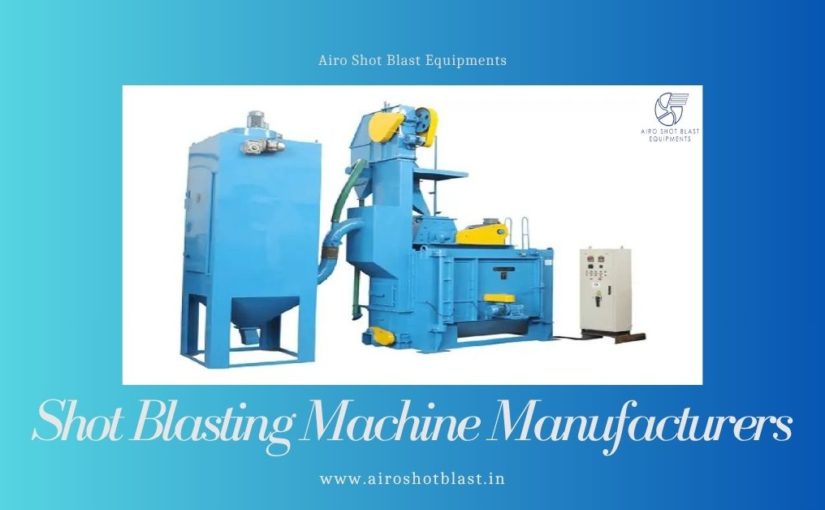
Learn how to select the best sand blasting solution for industrial operations by evaluating materials, equipment types, efficiency, safety, and long-term performance.
Introduction
Choosing the right sand blasting solution is a critical decision for industrial operations that require effective surface preparation, cleaning, and finishing. The quality of blasting directly affects coating adhesion, corrosion resistance, product appearance, and overall component performance. However, with various blasting methods, equipment options, and abrasive materials available, selecting the right solution can be challenging.
Industrial managers must consider factors such as material type, production requirements, surface condition, operating costs, and safety standards before investing in a sand blasting system.
A well-planned selection process ensures better results, improved productivity, and reduced maintenance expenses. By understanding the key factors involved, businesses can choose a sand blasting solution that meets their operational goals and delivers long-term value.
Understand Your Surface Preparation Requirements
The first step in selecting a sand & shot blasting solution is understanding the materials being processed. Different surfaces require different blasting techniques to achieve the desired results without causing damage.
Consider:
- Type of material being cleaned
- Size and shape of components
- Level of contamination
- Required surface finish
- Future coating requirements
Example: A heavy steel fabrication company may require an aggressive blasting process to remove rust and mill scale, while an aluminum component manufacturer may need a gentler approach to prevent surface damage.
Choosing a system based on your specific application ensures effective cleaning and consistent quality.
Select the Right Type of Sand Blasting Equipment
Sand blasting equipment comes in different configurations designed for specific applications. Selecting the correct machine type improves efficiency and reduces unnecessary operating costs.
Common options include:
- Portable sand blasting systems: Suitable for repair work, construction sites, and large structures.
- Blast cabinets: Ideal for smaller components requiring controlled cleaning.
- Automatic blasting machines: Designed for high-volume production environments.
- Room blasting systems: Used for large industrial parts and heavy equipment.
For example, a shipbuilding company working on large metal structures may benefit from a dedicated blasting room, while an automotive repair facility may require portable equipment.
Choose the Right Material for Better Results
The abrasive material used in blasting significantly affects cleaning performance and surface finish. Different abrasives offer different levels of hardness, cutting ability, and surface impact.
Factors to consider include:
- Material compatibility
- Required surface profile
- Environmental considerations
- Recyclability
- Operating cost
Example: Steel components requiring heavy rust removal may need stronger abrasive media, while decorative metal surfaces may require a softer option to achieve a smooth finish.
Selecting the correct abrasive improves efficiency while protecting the workpiece.
Consider Production Volume and Efficiency
Industrial operations should choose equipment that can handle both current workloads and future production growth. Selecting a system with insufficient capacity can create delays and increase operating costs.
Production managers should evaluate:
- Number of components processed daily
- Required blasting speed
- Automation needs
- Available workspace
For instance, a manufacturing plant producing thousands of identical parts may benefit from an automated blasting system that delivers consistent results with minimal downtime.
Protect Workers and Improve Compliance
Safety is a major consideration when selecting a sand blasting solution. Modern systems often include features designed to reduce dust exposure, improve ventilation, and create safer working conditions.
Important features include:
- Dust collection systems
- Enclosed blasting areas
- Protective equipment compatibility
- Noise reduction systems
A cleaner and safer workplace helps businesses protect employees while maintaining compliance with industry standards.
Look Beyond Initial Equipment Price
The cheapest equipment option is not always the most cost-effective choice. Industrial businesses should consider the complete cost of ownership, including energy consumption, abrasive usage, maintenance, spare parts, and downtime.
Example: A high-quality blasting machine with efficient abrasive recycling may have a higher purchase cost but provide significant savings over years of operation.
Evaluating long-term expenses helps businesses make smarter investment decisions.
Choose a Reliable Supplier and Support Partner
A dependable equipment supplier can make a significant difference in long-term performance. Businesses should evaluate supplier experience, installation support, operator training, and availability of replacement parts.
A strong supplier relationship ensures faster troubleshooting, improved machine performance, and reduced production interruptions.
FAQs
How do I choose the best sand blasting solution for my industry?
Start by evaluating your material type, component size, production volume, surface preparation goals, and budget. The right solution should match your specific operational requirements.
What industries use sand blasting systems?
Sand blasting is widely used in industries such as metal fabrication, automotive, construction, shipbuilding, aerospace, manufacturing, and industrial maintenance for cleaning and surface preparation.
Is automated sand blasting better than manual blasting?
Automated systems provide greater consistency, faster processing, and improved efficiency for high-volume production. Manual systems may still be suitable for smaller projects or specialized applications.
How does sand blasting improve coating performance?
Sand blasting removes contaminants and creates a suitable surface profile, allowing coatings to bond more effectively and improving durability.
Conclusion
Selecting the best sand blasting solution requires careful consideration of material requirements, equipment type, abrasive selection, production needs, safety features, operating costs, and supplier support. The right system can improve surface quality, increase efficiency, reduce maintenance expenses, and support long-term industrial success.
By evaluating your current challenges and future production goals, you can invest in a sand blasting solution that delivers reliable performance and maximum value. Take the time to assess your operational needs, consult with experienced professionals, and implement the right blasting technology to improve productivity and achieve superior surface preparation results.