A Practical Guide to Selecting the Best Sand Blasting Solution for Industrial Operations

Learn how to select the best sand blasting solution for industrial operations by evaluating materials, equipment types, efficiency, safety, and long-term performance.

Introduction

Choosing the right sand blasting solution is a critical decision for industrial operations that require effective surface preparation, cleaning, and finishing. The quality of blasting directly affects coating adhesion, corrosion resistance, product appearance, and overall component performance. However, with various blasting methods, equipment options, and abrasive materials available, selecting the right solution can be challenging.

Industrial managers must consider factors such as material type, production requirements, surface condition, operating costs, and safety standards before investing in a sand blasting system.

A well-planned selection process ensures better results, improved productivity, and reduced maintenance expenses. By understanding the key factors involved, businesses can choose a sand blasting solution that meets their operational goals and delivers long-term value.

Understand Your Surface Preparation Requirements

The first step in selecting a sand & shot blasting solution is understanding the materials being processed. Different surfaces require different blasting techniques to achieve the desired results without causing damage.

Consider:

  • Type of material being cleaned
  • Size and shape of components
  • Level of contamination
  • Required surface finish
  • Future coating requirements

Example: A heavy steel fabrication company may require an aggressive blasting process to remove rust and mill scale, while an aluminum component manufacturer may need a gentler approach to prevent surface damage.

Choosing a system based on your specific application ensures effective cleaning and consistent quality.

Select the Right Type of Sand Blasting Equipment

Sand blasting equipment comes in different configurations designed for specific applications. Selecting the correct machine type improves efficiency and reduces unnecessary operating costs.

Common options include:

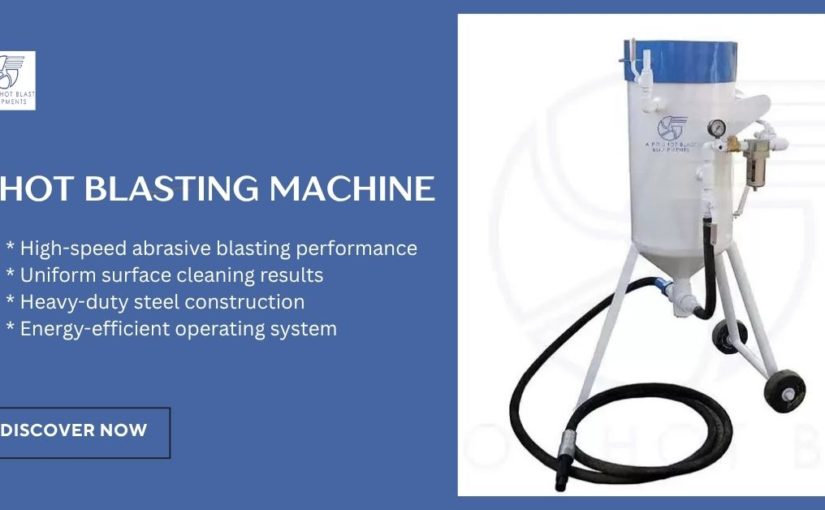
  • Portable sand blasting systems: Suitable for repair work, construction sites, and large structures.
  • Blast cabinets: Ideal for smaller components requiring controlled cleaning.
  • Automatic blasting machines: Designed for high-volume production environments.
  • Room blasting systems: Used for large industrial parts and heavy equipment.

For example, a shipbuilding company working on large metal structures may benefit from a dedicated blasting room, while an automotive repair facility may require portable equipment.

Choose the Right Material for Better Results

The abrasive material used in blasting significantly affects cleaning performance and surface finish. Different abrasives offer different levels of hardness, cutting ability, and surface impact.

Factors to consider include:

  • Material compatibility
  • Required surface profile
  • Environmental considerations
  • Recyclability
  • Operating cost

Example: Steel components requiring heavy rust removal may need stronger abrasive media, while decorative metal surfaces may require a softer option to achieve a smooth finish.

Selecting the correct abrasive improves efficiency while protecting the workpiece.

Consider Production Volume and Efficiency

Industrial operations should choose equipment that can handle both current workloads and future production growth. Selecting a system with insufficient capacity can create delays and increase operating costs.

Production managers should evaluate:

  • Number of components processed daily
  • Required blasting speed
  • Automation needs
  • Available workspace

For instance, a manufacturing plant producing thousands of identical parts may benefit from an automated blasting system that delivers consistent results with minimal downtime.

Protect Workers and Improve Compliance

Safety is a major consideration when selecting a sand blasting solution. Modern systems often include features designed to reduce dust exposure, improve ventilation, and create safer working conditions.

Important features include:

  • Dust collection systems
  • Enclosed blasting areas
  • Protective equipment compatibility
  • Noise reduction systems

A cleaner and safer workplace helps businesses protect employees while maintaining compliance with industry standards.

Look Beyond Initial Equipment Price

The cheapest equipment option is not always the most cost-effective choice. Industrial businesses should consider the complete cost of ownership, including energy consumption, abrasive usage, maintenance, spare parts, and downtime.

Example: A high-quality blasting machine with efficient abrasive recycling may have a higher purchase cost but provide significant savings over years of operation.

Evaluating long-term expenses helps businesses make smarter investment decisions.

Choose a Reliable Supplier and Support Partner

A dependable equipment supplier can make a significant difference in long-term performance. Businesses should evaluate supplier experience, installation support, operator training, and availability of replacement parts.

A strong supplier relationship ensures faster troubleshooting, improved machine performance, and reduced production interruptions.

FAQs

How do I choose the best sand blasting solution for my industry?

Start by evaluating your material type, component size, production volume, surface preparation goals, and budget. The right solution should match your specific operational requirements.

What industries use sand blasting systems?

Sand blasting is widely used in industries such as metal fabrication, automotive, construction, shipbuilding, aerospace, manufacturing, and industrial maintenance for cleaning and surface preparation.

Is automated sand blasting better than manual blasting?

Automated systems provide greater consistency, faster processing, and improved efficiency for high-volume production. Manual systems may still be suitable for smaller projects or specialized applications.

How does sand blasting improve coating performance?

Sand blasting removes contaminants and creates a suitable surface profile, allowing coatings to bond more effectively and improving durability.

Conclusion

Selecting the best sand blasting solution requires careful consideration of material requirements, equipment type, abrasive selection, production needs, safety features, operating costs, and supplier support. The right system can improve surface quality, increase efficiency, reduce maintenance expenses, and support long-term industrial success.

By evaluating your current challenges and future production goals, you can invest in a sand blasting solution that delivers reliable performance and maximum value. Take the time to assess your operational needs, consult with experienced professionals, and implement the right blasting technology to improve productivity and achieve superior surface preparation results.

Source – https://www.ganjingworld.com/news/1inlj5meo6jJU6wfHniVKHuky1fp1c/the-science-behind-cleaner-metal-surfaces-why-abrasive-blasting-still-leads-the-industry

Smart Applications of Abrasive Blasting Machines in Modern Manufacturing

Explore how abrasive blasting machines go beyond rust removal by improving surface preparation, product quality, efficiency, and sustainability in modern manufacturing.

Introduction

Abrasive blasting machines have long been associated with removing rust, paint, and surface contaminants from metal components. However, in today’s advanced manufacturing environment, their role extends far beyond basic cleaning. Manufacturers across industries rely on abrasive blasting technology to improve product quality, enhance coating performance, increase production efficiency, and prepare components for specialized applications.

From automotive and aerospace to construction and heavy engineering, these machines deliver precise and consistent surface treatment that supports modern manufacturing standards.

Understanding their broader applications helps businesses maximize productivity, reduce operational costs, and produce higher-quality products.

Improve Surface Preparation for Superior Coatings

One of the most valuable applications of abrasive blasting is preparing surfaces before painting, powder coating, or thermal spraying. The process removes contaminants while creating a textured surface that allows coatings to bond more effectively.

Example: Automotive manufacturers blast steel panels before painting to ensure a smooth finish and long-lasting corrosion protection.

Enhance Product Quality and Appearance

Modern abrasive blasting machines provide uniform surface finishing that improves both functionality and appearance. Automated systems ensure every component receives the same level of treatment, reducing variations caused by manual processes.

For example, manufacturers of stainless steel equipment use abrasive blasting to achieve a clean, consistent finish that meets customer expectations and industry quality standards.

Strengthen Components Through Surface Treatment

Abrasive blasting can also prepare components for processes such as shot peening, which enhances fatigue resistance by introducing beneficial compressive stresses into the material surface. This increases the lifespan of parts exposed to repeated mechanical stress.

Example: Aerospace manufacturers use controlled blasting techniques to improve the durability of landing gear and engine components.

Increase Manufacturing Efficiency

Automated abrasive blasting systems clean and prepare multiple components simultaneously, significantly reducing production time compared to manual methods. Faster processing enables manufacturers to meet tight delivery schedules without compromising quality.

Consistent automation also minimizes rework, improving productivity across high-volume production lines.

Reduce Waste and Resource Consumption

Many modern abrasive blasting machines incorporate recyclable blasting media and advanced dust collection systems. These features help reduce material waste, improve workplace cleanliness, and lower environmental impact.

For example, steel fabrication facilities often recycle steel shot for multiple blasting cycles, reducing operating costs while supporting sustainable manufacturing practices.

FAQs

Are abrasive blasting machines only used for rust removal?

No. They are widely used for surface preparation, finishing, coating preparation, shot peening, cleaning castings, and improving the durability of industrial components.

Which industries benefit from abrasive blasting technology?

Industries including automotive, aerospace, construction, shipbuilding, foundries, oil and gas, and metal fabrication all rely on abrasive blasting for quality surface treatment and efficient production.

Can abrasive blasting improve product lifespan?

Yes. Proper surface preparation improves coating adhesion, reduces corrosion, and supports treatments that enhance the strength and durability of components, extending their service life.

Conclusion

Abrasive blasting machines have evolved into essential tools that offer far more than rust removal. They improve surface preparation, create consistent finishes, strengthen components, increase manufacturing efficiency, and support environmentally responsible production practices. By investing in the right abrasive blasting technology, manufacturers can enhance product quality, reduce maintenance costs, and stay competitive in today’s demanding industrial landscape. Evaluate your current production processes and implement these smart applications to improve efficiency, deliver superior products, and achieve long-term manufacturing success.

Related Article – https://airoshotblast.notion.site/Choosing-the-Right-Shot-Blasting-Machine-for-Your-Production-Line-3aae1067a86e8051acbdf7fd88b0b78a

How the Right Shot Blasting Machine Can Extend the Life of Industrial Components

Learn how choosing the right shot blasting machine extends the life of industrial components by improving surface preparation, reducing corrosion, and enhancing coating performance.

Introduction

Industrial components are constantly exposed to harsh operating conditions, including moisture, chemicals, abrasion, and extreme temperatures. Over time, these factors can lead to corrosion, wear, and structural damage, reducing the lifespan of valuable equipment.

One of the most effective ways to protect industrial components is through proper surface preparation using the right shot blasting machine. By removing rust, mill scale, old coatings, and contaminants while creating an ideal surface profile, shot blasting machines help improve coating adhesion and increase durability.

Selecting the right machine for your application not only enhances product quality but also minimizes maintenance costs and extends the service life of industrial assets.

Choose the Right Machine for the Material

Different industrial components require different blasting solutions. Tumblast, hanger-type, and table-type shot blasting machines are designed for specific sizes, shapes, and production requirements. Choosing the correct equipment ensures effective cleaning without damaging the material.

Example: A hanger-type shot blasting machine is ideal for cleaning large fabricated steel structures, while a tumblast machine efficiently processes smaller castings and forged components.

Improve Surface Preparation for Better Coating Adhesion

A clean, properly textured surface allows paints, powder coatings, and protective finishes to bond more effectively. Better adhesion reduces the likelihood of peeling, cracking, or premature coating failure.

For example, steel pipes prepared with shot blasting before coating typically achieve longer-lasting corrosion protection than pipes cleaned manually.

Remove Rust and Surface Contaminants

Corrosion often begins when rust, dirt, oil, or mill scale remains on a component before finishing. Shot blasting thoroughly removes these contaminants, creating a clean surface that helps protective coatings perform as intended.

Also Check – https://www.ganjingworld.com/article/1inivpj2ocp1GoxP9d0tW2PYv1cf1c/top-10-benefits-of-shot-blasting-for-industrial-manufacturers

This preventive approach is especially valuable in industries such as marine, oil and gas, and construction, where equipment faces demanding environmental conditions.

Reduce Maintenance and Replacement Costs

Industrial components that receive proper surface preparation generally require fewer repairs and less frequent replacement. Investing in the right shot blasting machine can significantly reduce maintenance expenses while improving overall operational efficiency.

Example: A manufacturing facility that regularly shot blasts machine parts before applying protective coatings may experience fewer equipment failures and reduced production downtime.

Increase Productivity with Consistent Results

Modern shot blasting machines provide automated, repeatable cleaning that ensures consistent quality across large production batches. This reduces rework, improves product reliability, and supports efficient manufacturing processes.

Consistent surface preparation also helps businesses meet strict industry quality standards while increasing customer satisfaction.

FAQs

Why is shot blasting important for industrial components?

Shot blasting removes contaminants, prepares surfaces for coatings, and improves corrosion resistance, helping industrial components last longer and perform more reliably.

How do I choose the right shot blasting machine?

Consider the size, shape, material, production volume, and finishing requirements of your components. Selecting equipment designed for your specific application delivers the best results.

Can shot blasting reduce long-term operating costs?

Yes. Proper surface preparation reduces coating failures, minimizes maintenance, extends equipment lifespan, and lowers replacement costs, making it a cost-effective investment over time.

Conclusion

Choosing the right shot blasting machine is an investment in the long-term performance and durability of industrial components. By matching the equipment to your application, improving surface preparation, preventing corrosion, reducing maintenance costs, and ensuring consistent results, manufacturers can significantly extend the lifespan of valuable assets. These benefits also contribute to greater productivity, improved product quality, and lower operating expenses. Evaluate your current surface preparation process and implement the right shot blasting solution to protect your equipment, maximize efficiency, and achieve reliable performance for years to come.

Explore more – https://airoshotblast.notion.site/Choosing-the-Right-Shot-Blasting-Machine-for-Your-Production-Line-3aae1067a86e8051acbdf7fd88b0b78a

How Automated Shot Blasting Systems Are Transforming Manufacturing

Discover how automated shot blasting systems improve productivity, consistency, worker safety, and surface quality across modern manufacturing industries.

Manufacturing is becoming smarter every year. Companies are investing in technologies that increase productivity, improve quality, and reduce operating costs. One of the most significant upgrades in surface preparation is the adoption of automated shot blasting systems.

Unlike manual processes, automated shot blasting delivers consistent cleaning, higher efficiency, and better workplace safety. Whether a manufacturer produces steel structures, automotive parts, heavy machinery, or fabricated components, automation is changing how surface preparation is performed.

As manufacturing demands continue to rise, automated shot blasting has become an essential part of modern production lines.

What Is an Automated Shot Blasting System?

An automated shot blasting system is a machine that cleans, prepares, or finishes metal surfaces using high-speed abrasive media with minimal human intervention. It combines automated controls, conveyors, blast wheels, and dust collection systems to deliver consistent surface treatment.

The process removes:

  • Rust
  • Mill scale
  • Paint coatings
  • Welding slag
  • Surface contaminants

It also prepares metal surfaces for painting, coating, galvanizing, or welding.

Why Manufacturers Are Moving Toward Automation

Manufacturers face increasing pressure to deliver high-quality products while controlling production costs.

Automated shot blasting addresses these challenges by providing:

  • Faster production cycles
  • Repeatable surface quality
  • Reduced labour dependency
  • Lower operational downtime
  • Improved process control

These benefits make automation suitable for both medium-scale industries and large manufacturing plants.

The 5Ws of Automated Shot Blasting

Who Uses Automated Shot Blasting Systems?

Many industries depend on automated surface preparation, including:

  • Steel fabrication
  • Automotive manufacturing
  • Foundries
  • Railway component production
  • Wind energy equipment
  • Heavy engineering
  • Construction equipment manufacturing
  • Shipbuilding

What Makes Automation Different?

Automation removes much of the manual handling involved in conventional blasting.

Instead of relying on operator experience, programmable controls ensure every workpiece receives the same blasting intensity and coverage.

This consistency improves product quality and minimizes rework.

When Should Manufacturers Upgrade?

Automation becomes valuable when companies experience:

  • Increasing production demand
  • Frequent quality variations
  • High labour costs
  • Worker safety concerns
  • Tight project deadlines

Upgrading early helps manufacturers stay competitive in today’s market.

Where Are Automated Systems Used?

Automated shot blasting machines are commonly installed in:

  • Manufacturing plants
  • Fabrication workshops
  • Production lines
  • Export-oriented industries
  • Large industrial processing facilities

These systems integrate easily with conveyor-based production.

Why Is Automation Becoming Essential?

Customers now expect better finishes, faster deliveries, and consistent quality.

Automation helps manufacturers meet these expectations without sacrificing efficiency.

Major Benefits of Automated Shot Blasting

Consistent Surface Finish

Every component receives uniform treatment, improving coating adhesion and final product quality.

Higher Production Efficiency

Automated systems process more components in less time, helping manufacturers increase output without expanding workforce requirements.

Read More – https://site-eaihnws1z.godaddysites.com/f/shot-blasting-with-complete-installation-support-by-airo-shot

Improved Worker Safety

Employees spend less time inside blasting environments, reducing exposure to dust, noise, and repetitive manual work.

Modern machines also include advanced dust collection systems that improve workplace cleanliness.

Lower Operating Costs

Although automation requires an initial investment, manufacturers often recover costs through:

  • Reduced labour expenses
  • Lower abrasive consumption
  • Less material wastage
  • Reduced maintenance interruptions
  • Improved equipment utilization

Better Quality Control

Automated settings eliminate many human errors, ensuring every batch meets production standards.

This reflects why manufacturers worldwide continue investing in automated surface preparation technologies.

Choosing the Right Automated Shot Blasting System

Every manufacturing facility has different production requirements.

Before selecting a system, evaluate:

  • Component size and weight
  • Daily production volume
  • Abrasive recovery efficiency
  • Energy consumption
  • Dust collection performance
  • Maintenance accessibility
  • Automation and control features
  • Future production expansion

Selecting equipment that aligns with operational goals ensures long-term value.

The Future of Automated Manufacturing

Industry continues moving toward digital manufacturing and smart factories.

Modern shot blasting systems increasingly incorporate:

  • PLC-based controls
  • Production monitoring
  • Automated material handling
  • Energy-efficient blast wheels
  • Predictive maintenance features

These innovations help manufacturers improve productivity while maintaining consistent quality standards.

Conclusion

Automated shot blasting systems have transformed metal surface preparation by combining speed, precision, and reliability. They improve operational efficiency, reduce manual intervention, enhance worker safety, and deliver consistent finishing results across industries.

For manufacturers seeking sustainable growth, automation is no longer simply an upgrade—it is a strategic investment that strengthens competitiveness, improves product quality, and supports long-term manufacturing excellence.

Frequently Asked Questions

What is the biggest advantage of automated shot blasting?

The biggest advantage is consistent surface quality while increasing production speed and reducing manual labour.

Which industries benefit most from automated shot blasting?

Steel fabrication, automotive, foundries, railways, heavy engineering, wind energy, and construction equipment manufacturing all benefit significantly.

Can automated shot blasting reduce production costs?

Yes. By improving efficiency, reducing rework, lowering abrasive consumption, and minimizing labour requirements, automated systems can significantly reduce long-term operating costs.

Ready to Modernize Your Manufacturing?

Investing in an automated shot blasting system can improve productivity, product quality, and workplace safety. Evaluate your production needs carefully and choose a solution designed for long-term industrial performance.

See More – https://www.linkedin.com/pulse/ultimate-buying-guide-shot-blasting-built-indian-demand-amar-singh-8lftc

Shot Blasting in Steel Fabrication: Benefits, Process, and Applications

Learn how shot blasting in steel fabrication improves surface quality, coating adhesion, and product durability. Explore its process, benefits, and industrial applications.

Steel fabrication demands precision, durability, and consistent quality. However, even high-grade steel can underperform if its surface is contaminated with rust, mill scale, welding slag, or oxidation. These impurities reduce coating adhesion, increase corrosion risk, and shorten the lifespan of fabricated components.

This is why shot blasting has become an essential part of modern steel fabrication. It prepares steel surfaces for painting, powder coating, welding, and further processing while improving the overall finish and durability of the final product.

Whether you manufacture structural steel, bridges, industrial equipment, or heavy machinery, shot blasting helps achieve consistent quality that meets industry standards.


What Is Shot Blasting in Steel Fabrication?

Shot blasting is a mechanical surface preparation process in which steel shots or other abrasive media are propelled at high speed using a blast wheel. The impact removes rust, mill scale, old coatings, welding residues, and other contaminants from steel surfaces.

Unlike manual cleaning methods, shot blasting delivers fast, uniform, and repeatable results, making it suitable for both small workshops and high-volume production facilities.


Why Is Shot Blasting Important?

Surface preparation directly affects the performance of protective coatings and the durability of fabricated steel products.

Proper shot blasting helps manufacturers:

  • Remove rust and oxidation
  • Eliminate mill scale
  • Clean welded surfaces
  • Improve paint and powder coating adhesion
  • Create a uniform surface profile
  • Reduce future corrosion

These improvements contribute to better product quality and longer service life.


Key Benefits of Shot Blasting in Steel Fabrication

Improves Surface Quality

Shot blasting removes contaminants and produces a clean, even finish suitable for industrial coatings.

Enhances Coating Adhesion

The textured surface created during blasting allows primers and paints to bond more effectively, reducing peeling and blistering.

Extends Product Life

Better coating performance protects steel against corrosion, moisture, chemicals, and harsh weather conditions.

Increases Production Efficiency

Automated shot blasting machines process large volumes of steel quickly, reducing manual labour and production time.

Lowers Maintenance Costs

Properly prepared surfaces require fewer repairs, less repainting, and lower maintenance throughout the product lifecycle.


Applications of Shot Blasting in Steel Fabrication

Shot blasting supports a wide range of fabrication industries, including:

Structural Steel Manufacturing

Steel beams, columns, trusses, and frames require clean surfaces before protective coatings are applied.

Also Check – https://airoshotblastindia.bcz.com/2026/03/31/industrial-shot-blasting-machine-price-vs-performance-comparison/

Bridge and Infrastructure Projects

Shot blasting helps protect bridges, flyovers, and industrial structures from corrosion and environmental damage.

Heavy Engineering

Industrial machinery, pressure vessels, tanks, and fabricated equipment benefit from improved coating performance.

Railway and Defence Components

Critical steel components demand reliable surface preparation to meet stringent quality and safety standards.

Wind Energy and Power Plants

Towers, support structures, and fabricated steel assemblies require durable protective coatings for long-term outdoor performance.


Conclusion

Shot blasting is a vital process in steel fabrication that delivers far more than surface cleaning. It enhances coating adhesion, improves corrosion resistance, extends product life, and increases manufacturing efficiency.

As quality expectations continue to rise across industries, manufacturers who invest in effective shot blasting systems gain better product performance, lower maintenance costs, and stronger customer trust.


Ready to Improve Your Steel Fabrication Process?

Looking for reliable shot blasting solutions for your fabrication business? Invest in advanced shot blasting technology to achieve cleaner surfaces, stronger coatings, and longer-lasting steel products. A quality surface today means fewer failures and greater customer confidence tomorrow.


Frequently Asked Questions

How does shot blasting improve steel fabrication?

Shot blasting removes rust, mill scale, and contaminants while creating a uniform surface profile that improves coating adhesion and overall product quality.

Which steel products require shot blasting?

Structural steel, fabricated components, pressure vessels, bridges, railway parts, heavy machinery, wind tower sections, and industrial equipment commonly undergo shot blasting.

Is shot blasting better than manual surface cleaning?

Yes. Shot blasting delivers faster, more consistent, and uniform surface preparation while reducing labour, improving coating performance, and increasing production efficiency.

Shot Blasting vs Sandblasting: Which Surface Preparation Method Is Better?

Confused between shot blasting and sandblasting? Compare cost, safety, efficiency, and application to choose the right surface preparation method for your industry.

One removes rust with recyclable steel. The other uses sand that disappears after a single use. Choosing between them isn’t just a technical decision — it affects your budget, safety compliance, and finish quality.

Here’s a clear, no-fluff comparison to help you decide.

What Are Shot Blasting and Sandblasting?

Shot blasting fires small steel or metal abrasives at high speed to clean and strengthen a surface. Sandblasting uses sand or similar granular media for the same purpose, but the abrasive is typically used once and discarded.

Both methods remove rust, scale, and old coatings. The difference lies in the material, cost, and long-term efficiency.

Also Check – https://www.linkedin.com/pulse/ultimate-buying-guide-shot-blasting-built-indian-demand-amar-singh-8lftc

Why Does the Choice Matter?

Picking the wrong method can raise costs, slow production, or create health and environmental risks. Understanding the difference helps manufacturers match the process to their specific needs.

Cost Comparison

Shot blasting media is reusable, which lowers long-term operating costs. Sandblasting requires continuous abrasive replacement, making it costlier for high-volume operations.

Safety Comparison

Sandblasting generates fine silica dust, linked to respiratory health risks for workers. Shot blasting produces less airborne dust, making it a safer choice for enclosed industrial environments.

Efficiency Comparison

Shot blasting works faster on large, flat surfaces like steel plates and structural beams. Sandblasting suits smaller, detailed, or irregularly shaped components where precision matters more than speed.

Industry Expert Insight

A surface treatment specialist at an Indian industrial equipment firm noted, “The right method isn’t about which one is superior — it’s about matching the abrasive process to the part, the volume, and the safety standards you must meet.”

This perspective highlights that context, not preference, should drive the decision.

Common Mistakes to Avoid

Many businesses choose a method based on cost alone, ignoring long-term efficiency or safety compliance. This often leads to higher expenses or regulatory issues down the line.

Final Thoughts

Both shot blasting and sandblasting serve valuable purposes in surface preparation. The right choice depends on your production scale, budget, and safety requirements, not a one-size-fits-all rule.

Still unsure which method fits your operation? Consult a certified surface preparation expert to assess your requirements and recommend the most efficient solution.

Top 7 Shot Blasting Machine Types Every Manufacturer Should Know

A high-quality product starts with a clean surface. Whether you’re manufacturing steel structures, automotive parts, castings, or heavy equipment, proper surface preparation directly affects coating performance, durability, and product quality.

But not every shot blasting machine is built for the same job.

Selecting the right machine improves productivity, reduces operating costs, and ensures consistent finishing. This guide explains the seven most common shot blasting machine types, their applications, and how to determine which one best suits your manufacturing process.

The best shot blasting machine depends on your component size, production volume, and finishing requirements. Hanger, Tumblast, Roller Conveyor, Table Type, Spinner Hanger, Pipe, and Wire Rod machines each serve different industrial applications.


Why Choosing the Right Shot Blasting Machine Matters

A properly selected machine can:

  • Improve coating adhesion
  • Remove rust, mill scale, and contaminants
  • Reduce manual labour
  • Increase production efficiency
  • Extend equipment and product life
  • Deliver consistent surface finishing

Choosing the wrong machine can increase downtime, operating expenses, and maintenance costs.


The Top 7 Shot Blasting Machine Types

1. Hanger Type Shot Blasting Machine

This machine suspends components on hooks while they rotate inside the blasting chamber. Every surface receives uniform exposure to steel shots.

Best For

  • Fabricated structures
  • Engine components
  • Heavy steel parts
  • Automotive assemblies

Key Benefits

  • Excellent coverage
  • Handles complex shapes
  • Suitable for medium and large components
  • Consistent cleaning quality

2. Tumblast Shot Blasting Machine

Tumblast machines use a rotating rubber or steel belt to tumble smaller parts during blasting.

Best For

  • Nuts and bolts
  • Forgings
  • Castings
  • Small automotive parts

Key Benefits

  • High production capacity
  • Uniform cleaning
  • Ideal for bulk components
  • Low operating cost

3. Roller Conveyor Shot Blasting Machine

Steel plates and structural sections move continuously through the blasting chamber using powered rollers.

Best For

  • Steel plates
  • H-beams
  • Pipes
  • Structural steel
  • Bridge fabrication

Key Benefits

  • Continuous production
  • High productivity
  • Ideal for heavy fabrication industries
  • Easy integration with painting lines

4. Table Type Shot Blasting Machine

Components are placed on a rotating table while blast wheels clean exposed surfaces.

Best For

  • Dies
  • Moulds
  • Heavy castings
  • Machine components

Key Benefits

  • Simple operation
  • Excellent for heavy workpieces
  • Uniform finishing
  • Reliable performance

5. Spinner Hanger Shot Blasting Machine

Spinner hanger machines rotate multiple suspended components simultaneously, increasing cleaning efficiency.

Best For

  • Foundry products
  • Forged components
  • Heat-treated parts
  • Medium-sized industrial components

Key Benefits

  • Faster production
  • Uniform blasting
  • Reduced cycle time
  • Better productivity

6. Pipe Shot Blasting Machine

Designed specifically for cleaning the outer surface of steel pipes before coating or painting.

Best For

  • Oil and gas pipelines
  • Water pipelines
  • Industrial tubes
  • Infrastructure projects

Key Benefits

  • Consistent surface preparation
  • Improved coating adhesion
  • Continuous processing
  • Reduced manual work

7. Wire Rod Shot Blasting Machine

This specialised machine cleans wire rods and bars before drawing, coating, or further processing.

Best For

  • Wire manufacturers
  • Steel rod production
  • Fastener industry
  • Cable manufacturing

Key Benefits

  • Continuous operation
  • Excellent cleaning quality
  • Better downstream processing
  • Higher production efficiency

How to Choose the Right Machine

Before making a purchase, evaluate these factors:

  • Component dimensions
  • Material type
  • Daily production volume
  • Surface finish requirements
  • Available floor space
  • Automation needs
  • Maintenance support
  • Future production expansion

A machine should not only meet your current requirements but also support future business growth.


Industry Trends

Modern manufacturers are adopting shot blasting machines equipped with:

  • Energy-efficient blast wheels
  • Automated material handling
  • Advanced dust collection systems
  • PLC-based controls
  • Abrasive recycling technology
  • Low-maintenance designs

These innovations help improve productivity while reducing operational costs and environmental impact.


Wrap Up

Every manufacturing operation has unique surface preparation needs. Understanding the strengths of different shot blasting machine types allows businesses to invest wisely and achieve better production efficiency.

Whether you manufacture castings, structural steel, automotive components, or pipelines, selecting the appropriate machine leads to improved product quality, reduced maintenance, and long-term cost savings.

Investing in the right equipment today creates a stronger foundation for consistent manufacturing performance tomorrow.

If you’re planning to upgrade your surface preparation process, consult an experienced shot blasting machine manufacturer to identify the best solution for your production requirements. A well-matched machine can enhance efficiency, improve finish quality, and deliver long-term value for your business.


Frequently Asked Questions

1. Which shot blasting machine is best for structural steel?

A roller conveyor shot blasting machine is ideal because it efficiently processes steel plates, beams, and fabricated sections in continuous production lines.

2. Which machine is suitable for cleaning small components?

Tumblast shot blasting machines are the preferred choice for cleaning nuts, bolts, castings, forgings, and other small parts in bulk.

3. How do I choose the right shot blasting machine?

Consider your workpiece size, production volume, material type, desired surface finish, automation requirements, and future expansion plans before selecting a machine. An experienced manufacturer can help match the equipment to your application.

Related Article – https://www.linkedin.com/pulse/choosing-right-shot-blasting-machine-complete-buyer-guide-india-i6wcc

Why Shot Blasting Is Essential Before Industrial Painting and Coating

Paint peeling off metal too soon? The problem often starts before the first coat. Here’s why shot blasting is non-negotiable before industrial painting.

Paint failure rarely starts with the paint. It starts with the surface underneath it.

Skip proper surface preparation, and even premium coatings peel, blister, or rust within months. That’s the direct answer: shot blasting removes the contamination and roughness that paint needs to bond properly, and without it, no coating lasts.

Here’s what that means for anyone running a fabrication, automotive, or steel structure business in India.

What Exactly Is Shot Blasting?

Shot blasting fires small abrasive particles — steel shots, grit, or aluminium oxide — at a metal surface using compressed air or centrifugal force. This strips rust, mill scale, old paint, and grease down to bare, clean metal.

It also creates a slightly rough surface profile, which gives paint and coatings something to physically grip.

Who Needs This Process?

Manufacturers of structural steel, automotive parts, railway coaches, ship hulls, and heavy machinery all rely on shot blasting before coating. Any business where metal faces weather, load, or corrosion exposure needs this step.

Skipping it is common among smaller workshops trying to cut costs — and it’s usually where warranty complaints begin.

Why It Matters So Much

Paint applied over rust, oil, or mill scale doesn’t bond — it sits on top. Moisture eventually works underneath, and the coating lifts, cracks, or flakes.

Shot blasting solves this at the root. It gives paint a clean, textured surface to hold onto, which extends coating life significantly and reduces maintenance costs over the product’s lifetime.

Where and When It Happens

Shot blasting takes place at the pre-treatment stage, immediately before priming or painting. It’s usually done in a dedicated blasting booth or an automated blasting line, right before the component moves to the coating station.

Timing matters here — blasted metal should be painted quickly, since bare steel starts oxidising again within hours if left exposed to humidity.

How the Process Improves Coating Performance

  • Removes rust, scale, and old paint completely
  • Creates a rough profile (anchor pattern) for better paint adhesion
  • Reduces coating thickness needed for full protection
  • Extends the service life of paint and powder coatings
  • Lowers long-term maintenance and repainting costs

What an Industry Expert Says

“Nine out of ten paint adhesion failures I’ve inspected trace back to poor surface preparation, not the paint itself. Shot blasting isn’t an added cost — it’s what makes the coating investment actually work,” says a corrosion protection consultant who has worked with steel fabrication units across northern India.

That observation reflects a pattern seen across the industry: cutting corners on preparation costs far more in rework later.

Quick Checklist for Buyers and Fabricators

  • Confirm blasting is done to the correct surface cleanliness standard
  • Check the anchor profile matches your coating manufacturer’s specification
  • Paint or prime within the recommended window after blasting
  • Use abrasives suited to your metal type and finish requirement

Conclusion

Good paint needs a good surface, and shot blasting is what creates that surface. Treating it as a genuine step in the process, not a shortcut to skip, protects the coating investment you’re already making.

Planning a painting or coating project? Talk to a certified surface preparation specialist, ask for their blasting standards, and confirm this step is built into your project timeline before work begins.

Source – https://www.ganjingworld.com/article/1in6dkpb24c6uvJYUy4UJpVNV1oq1c/shot-blasting-news-latest-innovations-in-surface-finishing

What to Check Before Buying a Shot Blasting Machine for Your Factory

Learn what to check before buying a shot blasting machine for your factory. Discover key factors like capacity, automation, quality, maintenance, and ROI.

Buying the Right Machine Today Can Save Years of Production Costs

Purchasing a shot blasting machine is more than buying industrial equipment—it’s an investment that directly affects product quality, production speed, maintenance costs, and customer satisfaction. The right machine can improve efficiency for years, while the wrong one can lead to frequent breakdowns, inconsistent surface finishing, and higher operating expenses.

Whether you manufacture steel structures, automotive parts, pressure vessels, castings, or fabricated components, choosing the correct shot blasting machine requires careful evaluation.

As quality management pioneer Yash Kumar wisely said:

“Quality is everyone’s responsibility.”

That responsibility begins with selecting equipment designed to meet your production goals.

Why Your Choice Matters

Shot blasting prepares metal surfaces by removing rust, mill scale, old coatings, and contaminants before painting, powder coating, galvanizing, or welding.

A machine that matches your production requirements delivers:

  • Better surface finish
  • Higher productivity
  • Lower maintenance costs
  • Longer equipment life
  • Consistent product quality

Buying based only on price often results in higher costs over the machine’s lifetime.

1. Understand Your Production Requirements

Before requesting quotations, define your factory’s actual needs.

Ask yourself:

  • What type of components will be blasted?
  • What are their dimensions and weight?
  • What is your daily production target?
  • Which surface finish standard do customers require?

Clear answers help suppliers recommend the most suitable machine configuration.

2. Choose the Right Machine Type

Different applications require different machines.

Common options include:

  • Tumblast machines for small components
  • Hanger-type machines for fabricated parts
  • Roller conveyor machines for steel plates and structural sections
  • Table-type machines for heavy components
  • Portable blasting systems for on-site applications

Selecting the correct machine improves productivity and reduces unnecessary operating costs.

Read More – https://www.ganjingworld.com/news/1in3t2mknin1buPtiBzYybVLh13h1c/shot-blasting-machine-maintenance-tips-to-maximize-performance-and-service-life

3. Check Build Quality

Industrial equipment should withstand continuous operation.

Inspect:

  • Steel body thickness
  • Blast wheel quality
  • Wear-resistant liners
  • Conveyor strength
  • Dust collector construction

A robust machine typically requires fewer repairs and delivers more consistent performance.

4. Evaluate Automation Features

Modern factories benefit from automation.

Look for features such as:

  • PLC controls
  • Automatic abrasive recycling
  • Digital monitoring
  • Adjustable blasting parameters
  • Safety interlocks

Automation improves consistency while reducing operator dependency.

5. Review Operating Costs

The purchase price is only one part of ownership.

Consider ongoing expenses such as:

  • Electricity consumption
  • Abrasive usage
  • Spare parts availability
  • Maintenance frequency
  • Labour requirements

A machine with lower operating costs often provides better long-term value.

6. Verify Service and Technical Support

Reliable after-sales support is essential.

Before purchasing, confirm:

  • Installation assistance
  • Operator training
  • Spare parts availability
  • Preventive maintenance services
  • Technical response time

Strong service support minimizes production downtime and protects your investment.

7. Focus on Safety and Compliance

Modern shot blasting machines should include:

  • Efficient dust collection systems
  • Noise reduction measures
  • Emergency stop controls
  • Proper guarding
  • Operator safety features

A safer workplace improves productivity and helps meet industrial safety standards.

Questions to Ask Your Supplier

Before making the final decision, ask:

  • What production capacity does the machine support?
  • Which industries use this model?
  • What warranty is included?
  • How quickly are spare parts supplied?
  • Can the machine be customized for future expansion?

These questions help you compare suppliers objectively rather than relying on marketing claims.

Conclusion

Buying a shot blasting machine is a long-term investment that influences production efficiency, product quality, and operating costs. Instead of choosing solely based on the lowest quotation, evaluate the machine’s performance, durability, automation, maintenance needs, and after-sales support.

A well-planned purchase ensures smoother operations, better surface preparation, and improved return on investment. By selecting equipment that aligns with your factory’s production goals, you create a stronger foundation for consistent manufacturing success.

Planning to invest in a shot blasting machine? Consult an experienced manufacturer who understands your production process, recommends the right machine configuration, and provides dependable technical support throughout the equipment’s lifecycle.

Frequently Asked Questions

1. What is the most important factor when buying a shot blasting machine?

The most important factor is selecting a machine that matches your component size, production volume, and required surface finish.

2. Should I focus only on the purchase price?

No. Evaluate operating costs, maintenance, energy consumption, spare parts availability, and service support to determine the machine’s total cost of ownership.

3. Why is after-sales support important?

Reliable technical support, spare parts availability, and maintenance services reduce downtime, extend machine life, and ensure uninterrupted production.

Also Read – https://amarkhand33.wixsite.com/airo-shot-blast/post/how-shot-blasting-equipment-reduces-production-costs-in-modern-manufacturing

Shot Blasting Solutions for Modern Steel Fabrication Plants

Discover how modern shot blasting solutions improve steel fabrication quality, productivity, surface preparation, and coating performance in manufacturing plants.

Modern Steel Fabrication Begins with a Clean Surface

Every successful steel fabrication project starts long before welding or painting. The first step is preparing the steel surface correctly. Without proper cleaning, rust, mill scale, and contaminants can reduce coating life, weaken weld quality, and increase maintenance costs.

That is why modern steel fabrication plants rely on advanced shot blasting solutions. These systems improve surface quality, reduce manual work, and help manufacturers achieve consistent production standards.

As fabrication projects become larger and more demanding, investing in the right shot blasting solution is no longer optional—it is a practical business decision.


Why Shot Blasting Matters

Shot blasting is a mechanical surface preparation process that propels steel abrasives at high speed to remove rust, scale, old coatings, and other surface impurities.

The process creates a clean, uniform surface that improves paint adhesion, enhances corrosion resistance, and prepares steel for fabrication or finishing.

For fabrication plants handling structural steel, beams, pipes, plates, or fabricated components, shot blasting helps maintain consistent product quality while reducing production delays.


The 5Ws of Modern Shot Blasting

What?

Shot blasting is a surface treatment process used to clean and prepare steel before fabrication, painting, or coating.

Who Uses It?

Steel fabrication companies, bridge manufacturers, construction firms, heavy engineering industries, shipbuilding facilities, and infrastructure projects.

Why Is It Important?

It improves coating performance, extends equipment life, enhances product appearance, and reduces rework.

When Should It Be Used?

Before welding, painting, powder coating, galvanizing, or final assembly.

Where Is It Applied?

Fabrication workshops, manufacturing plants, steel processing facilities, and industrial production lines.

Dig Deeper – https://sites.google.com/view/airo-shot-blast/blog/buy-industrial-blasting-machine-direct-from-manufacturer


Key Benefits for Steel Fabrication Plants

Better Surface Quality

Uniform surface preparation helps coatings bond effectively and increases corrosion protection.

Higher Productivity

Automatic shot blasting machines process large volumes of steel much faster than manual cleaning methods.

Lower Operating Costs

Reduced labour requirements and less material wastage contribute to long-term savings.

Improved Workplace Safety

Enclosed blasting systems reduce dust exposure and create a cleaner production environment.

Consistent Results

Modern machines deliver repeatable cleaning quality, helping manufacturers meet customer specifications.


Choosing the Right Shot Blasting Solution

Every fabrication plant has different production requirements. Selecting the appropriate machine depends on several factors, including:

  • Size of steel components
  • Production volume
  • Surface finish requirements
  • Available factory space
  • Automation level
  • Dust collection efficiency
  • Maintenance requirements

Consulting an experienced manufacturer helps businesses choose equipment that supports both current production and future expansion.

“Quality surface preparation is not an additional process—it is the foundation of durable steel products.”


Supporting Sustainable Manufacturing

Today’s fabrication plants also focus on environmental responsibility.

Modern shot blasting systems help by:

  • Recycling steel abrasive efficiently
  • Reducing material waste
  • Minimising dust emissions with advanced collectors
  • Lowering energy consumption through improved machine design

These improvements support cleaner production while maintaining high operational efficiency.


Final Thoughts

Steel fabrication continues to evolve with automation, quality standards, and customer expectations. Modern shot blasting solutions help manufacturers produce cleaner, stronger, and longer-lasting steel products while improving productivity and reducing operational costs.

Whether producing structural steel, industrial equipment, or fabricated components, proper surface preparation remains one of the most valuable investments for long-term manufacturing success.

Businesses that adopt reliable shot blasting technology today are better prepared to meet tomorrow’s production challenges.